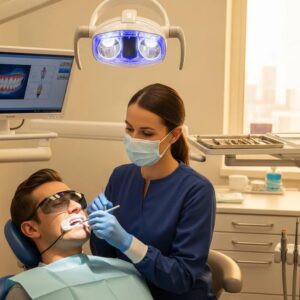
Experience a pain-free dental visit with our comprehensive guide on sedation and anesthesia techniques. Learn how they ensure comfort during treatments today!

Unlock the radiant smile with in-office whitening treatments. Experience stunning results that enhance confidence and improve oral aesthetics in just one visit.
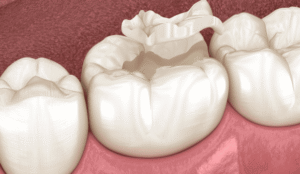
Imagine this: you brush twice a day, floss regularly, and even cut down on sugary snacks—but still, your dentist finds a cavity hiding in the back of your mouth. Frustrating, right? The truth is, the deep grooves on our molars are like little food traps, and even the best toothbrush can struggle to reach inside …
Get weekly health information and advice from our experts.
Quick Links
Services
Areas We Serve
Contact info
Open hours
Many people hold onto misconceptions about dental health that can lead to poor oral hygiene practices. Understanding the truth behind these myths is crucial for maintaining a healthy smile. For instance, a prevalent myth is that brushing harder leads to cleaner teeth; in reality, gentle brushing is more effective and protects enamel.
Another common myth is that sugar is the only cause of cavities. While sugar plays a significant role, other factors such as poor oral hygiene and lack of fluoride also contribute to tooth decay. Educating yourself about these myths can empower you to make better choices for your dental health.
Regular dental check-ups are essential for preventing oral health issues before they become serious. These visits allow dentists to identify potential problems early, such as cavities or gum disease, which can save patients from costly treatments later on. Routine examinations also include professional cleanings that remove plaque and tartar buildup.
Moreover, regular check-ups provide an opportunity for patients to ask questions and receive personalized advice on maintaining their oral hygiene. For example, a dentist can recommend specific products or techniques tailored to an individual's needs, ensuring optimal dental health.
When it comes to dental treatments, understanding what to expect can alleviate anxiety and improve patient outcomes. Procedures such as root canals, fillings, and crowns are common, and knowing their purpose and process can help demystify them. For instance, a root canal is designed to save a tooth that is infected or decayed, rather than extracting it.
Additionally, patients should be aware of the advancements in dental technology that enhance treatment effectiveness and comfort. Laser dentistry, for example, minimizes discomfort during procedures and can lead to quicker healing times, making dental visits less daunting.
Maintaining optimal oral health requires a combination of good habits and regular dental care. Brushing twice a day with fluoride toothpaste and flossing daily are foundational practices that help prevent cavities and gum disease. Additionally, a balanced diet rich in vitamins and minerals supports overall dental health.
It is also important to limit acidic and sugary foods, which can erode enamel and contribute to decay. Staying hydrated and using mouthwash can further enhance oral hygiene by reducing bacteria and freshening breath. Adopting these practices can significantly improve your dental health and reduce the risk of common problems.