1806 Professional Dr, Suite ASacramento, CA 95825

DENTAL KRAFTS · SACRAMENTO, CA

Dentures & Partial Dentures in Sacramento

More reasons to smile again.

If you are missing several teeth, explore denture options with Dental Krafts. A personalized evaluation helps you compare fit, function, appearance and maintenance.

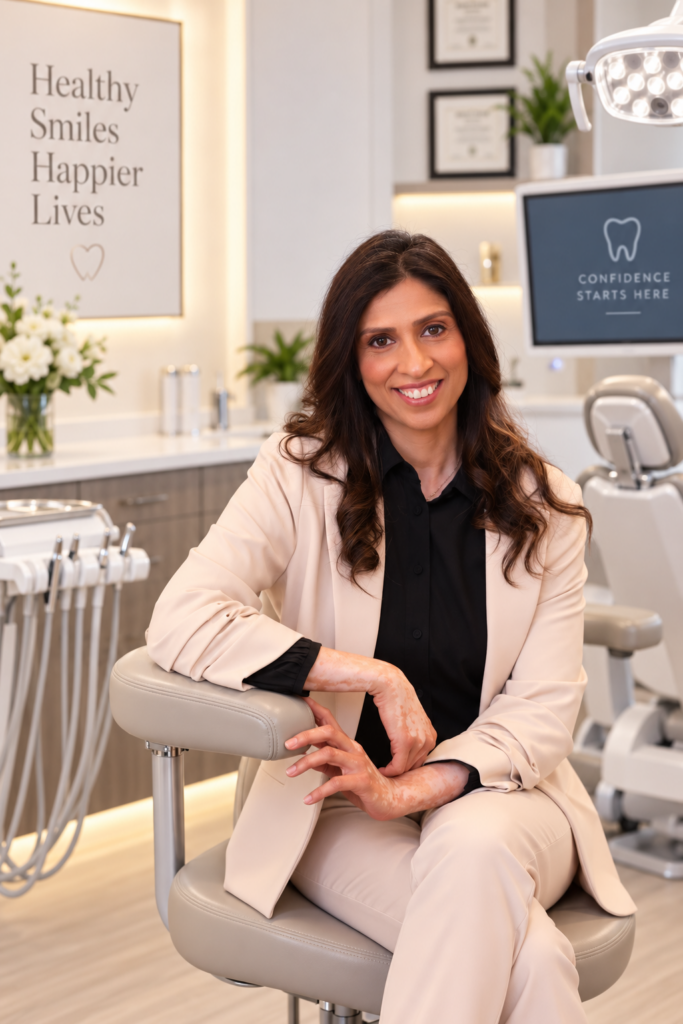
Dr. Neha Sharma, DDS, of Dental Krafts in Sacramento
DR. NEHA SHARMA, DDS
Dentures & partials — educational illustration
Treatment illustration · not a patient result

WHAT TO EXPECT · DENTAL KRAFTS

From an individual fit to everyday confidence.

A full or partial denture must work with your gums, remaining teeth and bite. Fitting and adjustments are part of the process.

Your examination determines the recommended steps, timing and follow-up for your care.

  1. Assess support and choices

    Check remaining teeth and supporting tissues. Bring your current denture and describe any slipping or sore spots.

  2. Record your mouth and bite

    Collect impressions or other records and discuss the proposed tooth appearance.

  3. Fit the appliance

    Check fit, appearance and function. If extractions are planned, discuss the replacement and healing sequence first.

  4. Adjust and maintain

    Allow for adaptation and follow-up adjustments, learn daily cleaning and report sore spots rather than adjusting it yourself.

Have a question about your treatment?Talk through your options with our Sacramento team.Call (916) 481-3930

Full or partial dentures: the difference matters

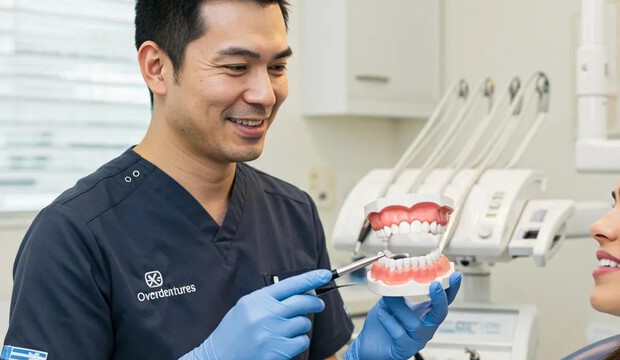
Illustrative photograph of a dental professional explaining dentures with a model.
Illustrative treatment photo

A partial denture replaces some missing teeth while working around teeth that remain. A complete denture replaces all the teeth in an upper or lower arch. Both are removable: you take them out for cleaning and follow the prescribed wear schedule.

The right design depends on which teeth remain, the shape of the supporting gums and bone, your bite and your ability to manage daily care. At Dental Krafts in Sacramento, bring your existing appliance if you have one and explain specific problems: slipping while speaking, food trapped underneath, difficulty chewing or a recurring sore spot.

What the examination needs to establish

Remaining teeth need to be checked for decay, gum support and their ability to help retain a partial denture. The dentist also examines the tissues that support the appliance and how the upper and lower teeth meet. A partial may use clasps or other attachments; their appearance, cleaning needs and the condition of the supporting teeth are part of the decision.

For a small gap, a fixed bridge may be another option. Implants can replace teeth or help stabilize a denture in suitable cases, but add surgical, healing and maintenance considerations. Ask which approaches are appropriate for your mouth before choosing on price alone.

How the denture plan comes together

The reception desk at Dental Krafts in Sacramento.
Dental Krafts · Sacramento

A denture is made to fit your mouth and bite. The plan includes records or impressions, selecting the proposed tooth appearance, fitting the appliance and checking comfort and function. The number of appointments depends on the design and whether other dental treatment is needed first.

If teeth need removal, discuss the replacement sequence before the extraction. A conventional denture is fitted after the tissues heal. An immediate denture is prepared in advance for placement when teeth are removed; it may need further adjustment or relining as healing changes the fit. These are treatment approaches to discuss, not a promise that a particular option is suitable or available for every patient.

Getting used to eating, speaking and wearing a denture

A new denture may feel bulky, and speaking and chewing can take practice. Start with manageable bites of softer food and follow the instructions for your appliance. Practice reading aloud if certain sounds are difficult. A partial should not be forced into place by biting down, because this can damage its attachments.

Follow-up visits allow the dentist to identify pressure points and check the bite. Persistent soreness, slipping or trouble chewing deserves an assessment rather than simply more time to adapt. Do not trim the base, bend clasps or use household glue to repair it.

Daily care and changes in fit

Clean the appliance every day with a soft brush and a suitable nonabrasive denture cleanser, following product instructions. Clean your gums, tongue and any remaining natural teeth too. Keep the denture moist when it is out of your mouth as directed; hot water can distort it. Follow the dentist’s instructions about removal at night, especially immediately after extractions.

The mouth changes over time, so an appliance that once fitted well can become loose. Adhesive does not correct a poor fit. An examination determines whether an adjustment, reline, repair or replacement is appropriate. Continue dental checkups even if you have no natural teeth, so the supporting tissues and fit can be evaluated.

What to include in a denture estimate

Ask whether the estimate covers one arch or both and identifies the appliance design, any extractions or treatment of remaining teeth, fitting appointments and follow-up adjustments. Clarify how later relines and repairs are billed. These details make two estimates easier to compare and help you plan for ongoing care.

For additional patient information, see the American Dental Association’s guides to complete dentures and removable partial dentures.

YOUR QUESTIONS, ANSWERED

Questions about denture fit, care and replacement

Can you assess a denture made at another office?

Yes. Bring the appliance and explain the problem when scheduling. An examination is needed before recommending an adjustment, repair or replacement; repair is not always possible.

Why has my denture become loose?

Changes in the gums and supporting bone can alter the fit. Worn or damaged components may also contribute. A reline changes the fitting surface of an existing denture, but some appliances need replacement instead. Increasing adhesive use is a reason to arrange an assessment.

Will I need all my remaining teeth removed?

Not necessarily. A partial denture works alongside remaining teeth when they can be retained appropriately. The dentist evaluates their condition before recommending whether to keep or remove them.

What should I do if it cracks or causes a sore spot?

Contact the office and describe the damage or symptoms. Avoid home repair kits or glue. The appliance and the tissues beneath it need to be checked before deciding how to restore a comfortable fit.

INFORMATION FOR YOUR NEXT STEP

Patient guides for this treatment.

All patient guides →

YOUR SACRAMENTO DENTAL HOME

Let’s talk about
your smile.

New patients, familiar faces and fresh starts.
We look forward to meeting you.

CallBook

DENTAL KRAFTS

Prefer to text?

Fill in your details, then tap Continue to text. Your messaging app opens with our office number and your message ready for you to send.

For scheduling questions. Please leave out sensitive health information. For urgent dental concerns, call the office.

Preview your text

Continue to text

Opens your messaging app with (916) 481-3930 and the details above filled in.

Nothing is sent until you tap Send in your messaging app. You’ll receive replies at the number you text from.

DENTAL KRAFTS

Book your visit

Find a time that works for you.