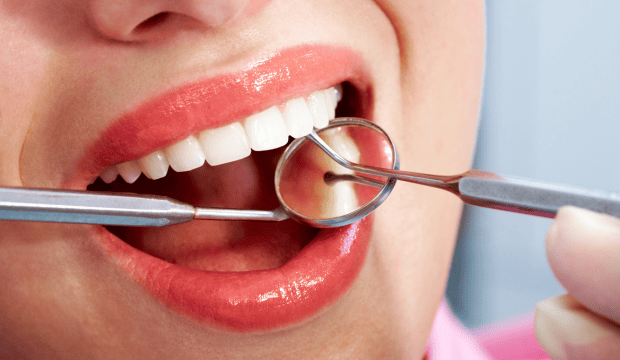
Explore Invisalign treatment with Dr. Neha Sharma at Dental Krafts. Ask about $1,500 off new, qualifying treatment for patients without orthodontic insurance benefits.
For patients without orthodontic insurance benefits
Personalized candidacy and treatment assessment
For new, qualifying Invisalign treatment for patients without orthodontic insurance benefits. Cannot be combined with other offers. Candidacy and treatment scope are determined after an exam. Financing is subject to approval.
Your examination determines the recommended steps, timing and follow-up for your care.
01
Examination and records
Assess teeth, gums and bite, and collect the scans or other records needed for planning.
02
Review your proposed plan
Discuss expected movement, attachments, estimated timing, fees and any dental care needed first.
03
Wear and review
Wear each aligner as prescribed and attend progress checks. Contact the office about lost, damaged or poorly fitting trays.
04
Maintain with retainers
Discuss the retainer type, prescribed wear schedule, care and replacement costs before finishing treatment.
Have a question about your treatment?Talk through your options with our Sacramento team.Call (916) 481-3930
What Invisalign can change, and what needs an examination
Invisalign uses a sequence of removable clear trays to move teeth gradually. It may be an option for crowding, gaps and certain bite problems. Treatment planning considers how the teeth meet as well as their appearance; a smile photograph cannot establish whether a bite can be corrected with aligners.
At Dental Krafts in Sacramento, Dr. Neha Sharma evaluates your teeth, gums and bite before recommending treatment. Cavities, gum disease or other dental problems may need care first. Some movements are managed more predictably with braces or another approach, so the consultation should explain the limits of the proposed plan and whether specialist care is appropriate. Dental Krafts uses digital intraoral scanners; ask which records are needed for your proposed aligner plan and what your estimate includes. Cherry and CareCredit financing are available subject to provider approval and terms.
From the first assessment to the last aligner
Assessment and records. The examination, dental history and any necessary imaging help identify the movement needed. Scans or impressions provide the tooth shapes used to plan the trays.
Review the plan. Discuss the intended bite changes, estimated treatment time, appointments and total fee. Ask whether attachments or other treatment steps are expected. Attachments are small tooth-colored features bonded to selected teeth to help the aligners work.
Wear the trays and attend progress checks. Each set is part of a prescribed sequence. The dentist checks the fit and how your teeth are responding before making any needed changes to the plan.
Plan retention. When active movement is complete, retainers help maintain the result. Review the type, wear schedule, care and replacement costs before finishing treatment.
The daily commitment behind removable aligners
Clear aligner treatment generally calls for about 20–22 hours of daily wear; follow the schedule prescribed for your case. Remove trays for eating and for brushing and flossing, and follow the instructions for drinks and cleaning. Being able to remove them is convenient, but long periods out of the mouth can interfere with progress.
Build the routine around work, meals and travel before you start. Keep appointments even when the trays seem to fit, and contact the office if an aligner is lost, cracks or no longer seats properly. Do not skip trays or change the replacement schedule on your own.
Comfort, limitations and refinements
Temporary pressure, mouth irritation or changes in speech can occur. Report worsening pain, swelling, a new bite problem or unexpected tooth movement rather than assuming it is part of normal adjustment. Existing crowns and other restorations also need to be considered during planning.
The first planned series does not guarantee the final result or an exact completion date. Additional aligners, sometimes called refinements, may be needed. Ask how progress is evaluated and what happens if the teeth are not moving as intended.
Retainers are part of the long-term plan
Teeth can shift after active treatment. Wear your retainers on the prescribed schedule, keep them clean and protect removable retainers in their case. If a retainer breaks or becomes uncomfortable or poorly fitting, contact the office for advice. Retention usually involves ongoing wear rather than a short period after the final tray.
Understand the fee and the $1,500 offer
The offer is $1,500 off new, qualifying Invisalign treatment for patients without orthodontic insurance benefits. It cannot be combined with other offers. Candidacy and treatment scope are determined after an exam, and financing is subject to approval. The discount is not the total treatment price.
Ask for a written estimate showing the treatment fee, applicable discount and your responsibility. Clarify whether records, progress visits, refinements, replacement trays and retainers are included, and how any separate dental care is billed. Use our Invisalign fee checklist and review the full offer terms.
YOUR QUESTIONS, ANSWERED
Questions about Invisalign wear, timing and cost
Is Invisalign always faster than braces?
No. The movement needed and your treatment plan determine the expected time. Consistent wear matters, and some cases need an approach other than aligners. Ask for an estimate based on your examination rather than a universal timeline.
Will I need attachments?
Some plans use small bonded attachments on selected teeth. They can be visible even though the trays are clear. Ask which teeth would need them and how they affect appearance and cleaning before treatment begins.
What should I do if a tray does not fit?
Contact the office for instructions and explain whether it is a new tray, a damaged tray or a fit change. Do not force it into place, skip ahead or improvise a replacement schedule.
Are refinements and retainers included in the price?
The written estimate should state what is included and whether limits or additional fees apply. Do not assume that future replacement retainers or lost aligners are covered. Confirm these details alongside the $1,500 discount eligibility.
Know what to ask about an Invisalign estimate, including follow-up, refinements and retainers. Review Dental Krafts’ $1,500 discount eligibility in Sacramento.