TOOTH REPAIR
A broken tooth: how repair options are evaluated
Learn what to tell the dentist about a broken tooth and which questions to ask about repair, root canal treatment or replacement at Dental Krafts in Sacramento.
Read the guide →
DENTAL KRAFTS · SACRAMENTO, CA
Help for a tooth that needs care.
Persistent tooth pain deserves an evaluation. Contact Dental Krafts to discuss your symptoms and whether root canal treatment may help preserve your tooth.

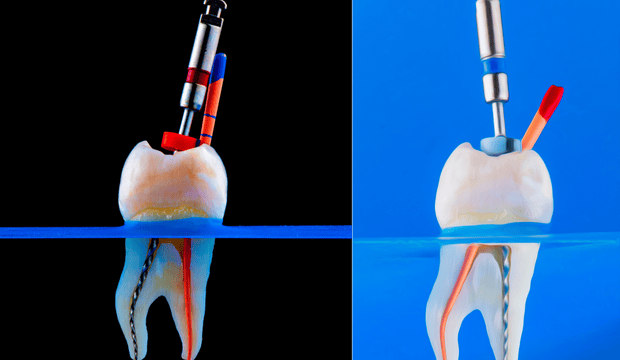
WHAT TO EXPECT · DENTAL KRAFTS
Root canal care treats tissue inside the tooth. The final filling or crown is another important part of the plan.
Your examination determines the recommended steps, timing and follow-up for your care.
Evaluate symptoms, tooth responses and imaging to decide whether the tooth can be restored or needs specialist care.
Local anesthesia helps control discomfort; a protective dental dam isolates the tooth during treatment.
Remove affected pulp, clean and shape the canal spaces, and fill and seal them. Treatment may involve more than one visit.
Arrange the final restoration and follow aftercare instructions. Avoid chewing on the tooth until it is permanently restored.

Root canal treatment removes inflamed or infected pulp from inside a tooth, then cleans and seals the canal spaces. Its purpose is to preserve a tooth that can still be restored. The procedure and the final filling or crown are separate parts of that plan. At Dental Krafts in Sacramento, Dr. Sharma evaluates the tooth and discusses treatment or referral to an endodontist when appropriate.
Lingering sensitivity after hot or cold drinks, pain when biting, a gum swelling or a tooth injured in an accident can warrant evaluation. These symptoms do not by themselves prove that you need a root canal. A loose filling, a crack or other problems can also cause tooth pain. Tell us which tooth seems involved, how long the symptoms last and whether they interrupt eating or sleep.
The examination considers the pulp, roots, supporting tissues and remaining tooth structure. Imaging and tests of the tooth’s response help identify the problem. A severe root fracture, inadequate support or too little restorable structure can change the recommendation. If extraction is being considered, ask why the tooth cannot be predictably restored and whether a specialist assessment would help.
Local anesthesia numbs the area, and a protective dental dam isolates the tooth. The clinician makes an opening, removes the affected pulp, cleans and shapes the canals, then fills and seals them. A temporary filling may protect the opening between stages. The number of visits depends on the tooth and treatment needs; an urgent evaluation does not guarantee completion that day.
The final restoration helps seal and protect the remaining tooth. Back teeth commonly need a crown because of chewing forces; the choice depends on the tooth and its condition. Review the timing and estimate for both root canal care and the final restoration before starting.
Bring your current medication list, allergies and relevant health history. Tell the team about dental anxiety and previous difficulty getting numb. If you are considering sedation, ask about suitability and obtain your own preparation and transportation instructions before the appointment.
Ask who will perform each stage, whether a specialist referral is recommended and who to contact if symptoms change between visits. Request a written estimate that distinguishes the evaluation, root canal and restorative work, and ask the office to check applicable insurance benefits.
Follow your clinician’s aftercare directions and keep the final restoration appointment. Avoid chewing on the treated tooth until it has been permanently restored. Do not eat while the area is numb. Some tenderness can occur, but severe or increasing pain, visible swelling, an uneven bite or a lost temporary filling should be reported promptly.
For trouble breathing or swallowing, severe facial swelling or uncontrolled bleeding, call 911 or go to an emergency department. For other urgent dental concerns, call the office about the earliest available evaluation.
Further reading: the American Association of Endodontists’ treatment guide and aftercare guidance.
YOUR QUESTIONS, ANSWERED
Local anesthesia is used to control discomfort. Let the clinician know if you feel pain during treatment so comfort can be reassessed. Tenderness afterward is possible and should be addressed with the instructions provided for you.
A change in symptoms does not establish that the underlying problem has resolved. Contact the office before changing a recommended plan, particularly if you have had swelling or a diagnosed infection.
Compare the whole plan: the chance of keeping a restorable tooth, extraction risks, healing and any replacement needed afterward. Removing a tooth is irreversible. The recommendation depends on the clinical findings and your goals.
Yes. New decay, a fracture or a leaking restoration can affect a treated tooth. Continue daily cleaning and regular dental visits, and have new pain or swelling evaluated. Some teeth need further treatment or specialist care.
INFORMATION FOR YOUR NEXT STEP
TOOTH REPAIR
Learn what to tell the dentist about a broken tooth and which questions to ask about repair, root canal treatment or replacement at Dental Krafts in Sacramento.
Read the guide →Further patient information: American Association of Endodontists: saving your natural tooth
EXPLORE YOUR OPTIONS
Tooth pain, a broken tooth or a lost crown? Call Dental Krafts at (916) 481-3930 to describe your concern and ask about the earliest available appointment.
Explore treatmentExplore restorations for weakened or missing teeth at Dental Krafts. Dr. Sharma can explain whether a crown, bridge or another option fits your needs.
Explore treatmentIf dental visits make you anxious, tell us. Dental Krafts can discuss your concerns and whether an available sedation option is appropriate for your care.
Explore treatmentYOUR SACRAMENTO DENTAL HOME
New patients, familiar faces and fresh starts.
We look forward to meeting you.