TOOTH REPAIR
A broken tooth: how repair options are evaluated
Learn what to tell the dentist about a broken tooth and which questions to ask about repair, root canal treatment or replacement at Dental Krafts in Sacramento.
Read the guide →
DENTAL KRAFTS · SACRAMENTO, CA
Clear guidance for your next step.
When a tooth may need removal, you deserve to understand why and what comes next. Visit Dental Krafts for an evaluation and a discussion of treatment choices.

WHAT TO EXPECT · DENTAL KRAFTS
Before removal, discuss whether the tooth can be saved, the proposed procedure and whether you will want to replace the tooth.
Your examination determines the recommended steps, timing and follow-up for your care.
Assess the tooth and imaging, compare alternatives and discuss whether referral is appropriate.
Review medications and medical history, comfort options and your specific preparation instructions.
Local anesthesia numbs the area. The tooth's position and anatomy determine the removal technique.
Follow written instructions for the socket, food, hygiene and activity, and know which symptoms require a prompt call.
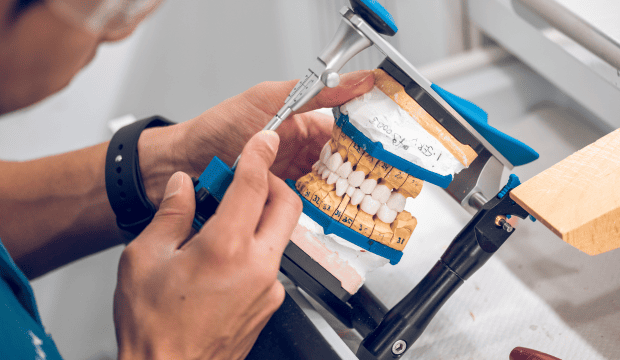
An extraction removes a tooth that cannot be adequately treated or retained, or one that needs removal for another clinical reason. A broken or painful tooth does not automatically need to come out. At Dental Krafts in Sacramento, the evaluation reviews the tooth, imaging and health history before a recommendation is made.
Depending on the damage, a filling, crown or root canal followed by a restoration may be an alternative. A deeply fractured root or an unrestorable tooth may have a different outlook. Ask what the findings show, whether the tooth can be saved and whether a specialist opinion is appropriate.
The tooth’s position, remaining structure and root shape influence how it is removed. Some teeth are accessible above the gumline; others may require surgical access or removal in sections. Imaging helps the clinician assess the anatomy and decide whether referral is needed. The proposed procedure and its risks should be explained before you consent.
Local anesthesia numbs the area. Discuss anxiety or previous anesthesia concerns in advance. Any sedation option requires an individual assessment and specific preparation instructions. Do not assume that a consultation includes an extraction that day.
Bring a current list of prescriptions, over-the-counter medicines, supplements and allergies. Tell the clinician about bleeding problems, medical conditions and previous problems with surgery or anesthesia. Do not stop prescribed medication on your own; ask how the dental plan should be coordinated with the clinician who manages it.
Before leaving the planning visit, confirm instructions for eating, drinking, medications and transportation. Ask how much time to allow away from work or strenuous activity for your procedure, and arrange help if your sedation plan requires it. Your written estimate should identify the planned removal and any separate recommended procedures.
A blood clot forms in the socket after removal and supports healing. Follow the written instructions for gauze pressure, food, oral hygiene and activity. Avoid smoking, vigorous rinsing and drinking through a straw during the period specified by your clinician. Keep other teeth clean while avoiding disruption of the surgical site.
Read our tooth extraction recovery guide → Learn what may be normal during healing and when to call your dentist.
Recovery varies with the tooth and procedure. Some soreness and limited bleeding can occur. Possible complications include infection, persistent bleeding and dry socket, where the clot is lost or does not form properly. For certain teeth, nearby nerves create an additional risk of numbness that should be discussed during planning.
Call promptly for bleeding that does not stop with the instructed measures, worsening pain or swelling, fever, or pain with a bad taste. Severe facial swelling, breathing or swallowing difficulty, or uncontrolled bleeding requires emergency medical care; call 911 or go to an emergency department.
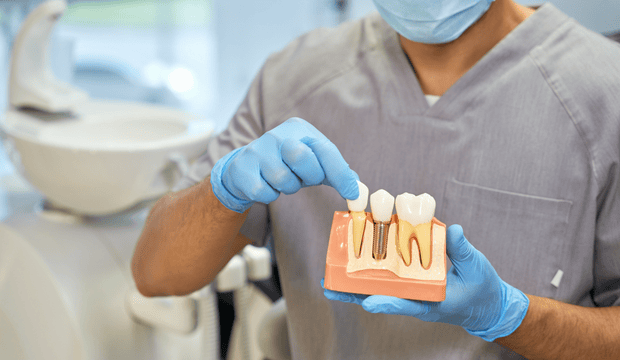
If the tooth will leave a gap you want to restore, discuss that before the extraction. Depending on your needs, future choices may include an implant, a bridge or a partial denture. Ask whether site preservation is recommended, what it adds to the plan and when replacement could be considered. A graft or immediate implant is not required or suitable in every case.
Further patient information: the American Dental Association’s extraction guide.
YOUR QUESTIONS, ANSWERED
The area is numbed with local anesthesia. You may notice pressure or movement, but tell the clinician if you feel pain so they can reassess your comfort.
It depends on the procedure, your recovery, your job and any sedation used. Ask for guidance before scheduling and follow the activity and driving restrictions provided for you.
No. Teeth that are not causing problems may be monitored. Position, symptoms, decay, gum health and other findings guide the recommendation, including whether specialist care is needed.
No. New or increasing pain after an initial improvement deserves a call. Dry socket and other complications require an examination; do not probe the socket or try to treat it yourself.
INFORMATION FOR YOUR NEXT STEP
TOOTH REPAIR
Learn what to tell the dentist about a broken tooth and which questions to ask about repair, root canal treatment or replacement at Dental Krafts in Sacramento.
Read the guide →IMPLANTS & COSTS
Compare implant estimates by components, site preparation, temporary teeth and follow-up. Understand Dental Krafts’ $3,499 single-implant offer in Sacramento.
Read the guide →EXPLORE YOUR OPTIONS
Explore an option for replacing a missing tooth with a free implant consultation at Dental Krafts. Meet with Dr. Neha Sharma to discuss your needs and the $3,499 single-implant offer.
Explore treatmentPersistent tooth pain deserves an evaluation. Contact Dental Krafts to discuss your symptoms and whether root canal treatment may help preserve your tooth.
Explore treatmentIf dental visits make you anxious, tell us. Dental Krafts can discuss your concerns and whether an available sedation option is appropriate for your care.
Explore treatmentYOUR SACRAMENTO DENTAL HOME
New patients, familiar faces and fresh starts.
We look forward to meeting you.