
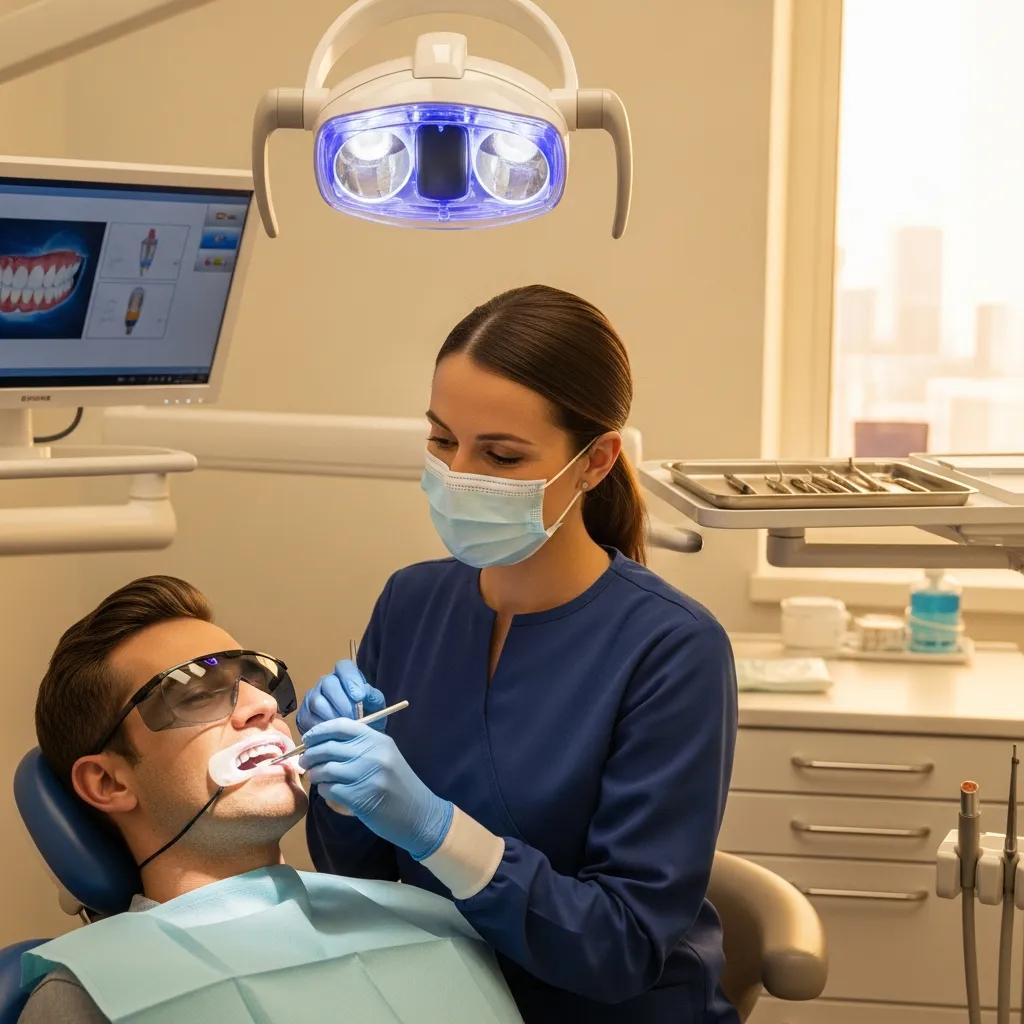
Professional In Office Teeth Whitening: Safe, Effective Cosmetic Dental Treatment in Sacramento
In-office teeth whitening is a popular cosmetic dental procedure that offers patients a quick and effective way to enhance their smiles. This treatment utilizes advanced techniques and professional-grade whitening agents to achieve noticeable results in a single visit. Many individuals seek this service to address issues such as discoloration from food, beverages, or aging. In this article, we will explore the process of in-office teeth whitening, its safety, and what patients can expect during and after the treatment. We will also discuss the costs associated with this procedure and how it compares to other whitening options available.
For local treatment and appointment information, see professional teeth whitening at Dental Krafts.
What is In Office Teeth Whitening and How Does It Work?
In-office teeth whitening is a cosmetic dental procedure designed to lighten the color of teeth using professional-grade bleaching agents. The process typically involves applying a whitening gel to the teeth, which is then activated by a special light or laser. This method allows for deeper penetration of the whitening agents, resulting in a brighter smile in a shorter amount of time compared to at-home treatments. Patients can expect to see significant improvements in the shade of their teeth, often achieving results that are several shades lighter after just one session.
The underlying science of these chemical whitening methods is well-documented, highlighting their mechanism of action and overall effectiveness.
For patient guidance on whitening options, limitations and avoiding damaging DIY methods, see the ADA’s natural-whitening guide.
Understanding Professional Teeth Bleaching Procedures
Professional teeth bleaching procedures can vary in technique and formulation. The most common methods include:
- In-office whitening: This method is performed by a dental professional and typically yields immediate results.
- Custom take-home kits: These kits include custom-fitted trays and professional-grade whitening gel, allowing patients to whiten their teeth at home over a period of time.
Each method has its advantages, but in-office whitening is often preferred for its speed and effectiveness.
How Zoom Whitening Technology Enhances Results
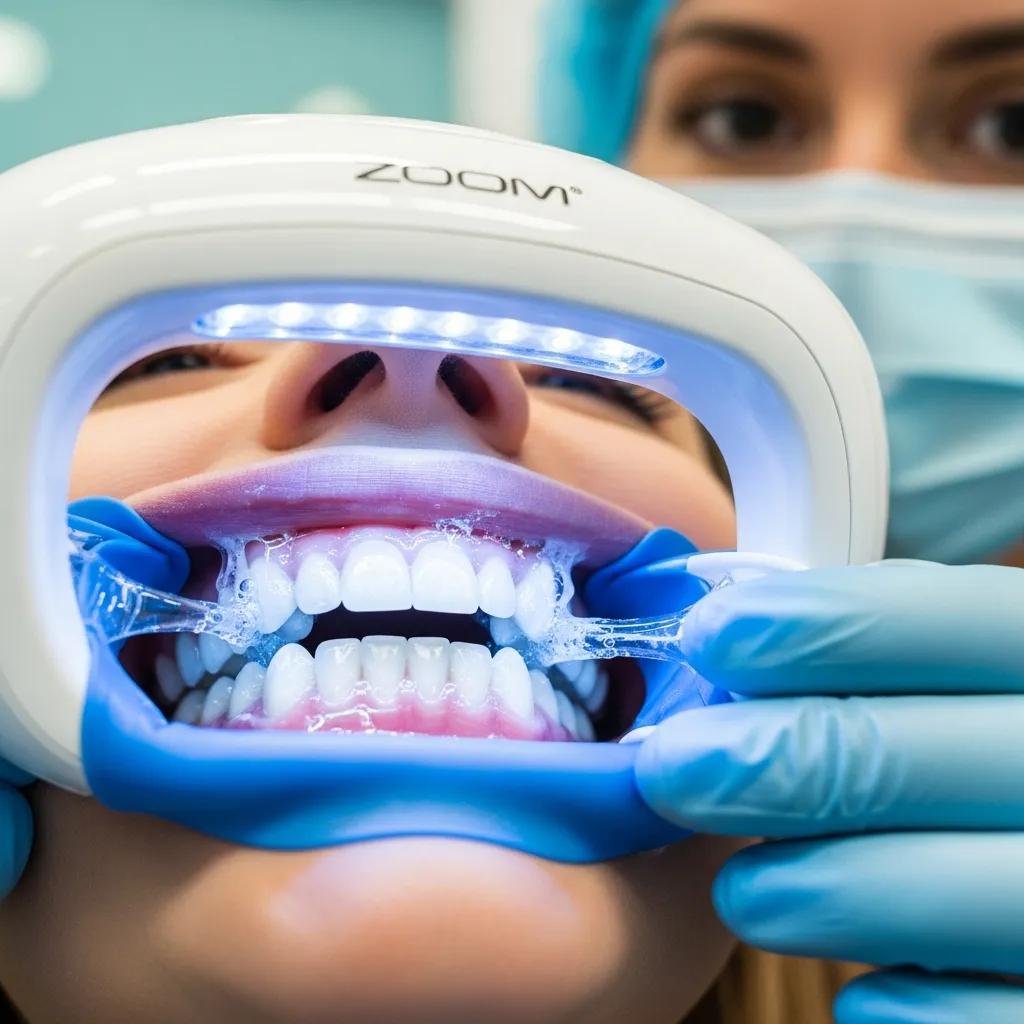
Zoom whitening technology is a popular in-office whitening system that utilizes a specialized light to enhance the effectiveness of the whitening gel. The light activates the gel, allowing it to penetrate the enamel more effectively and break down stains. This process not only speeds up the whitening results but also helps to achieve a more uniform and brighter smile. Many dental professionals recommend Zoom whitening for its proven results and patient satisfaction.
Is In Office Teeth Whitening Safe? What Are the Side Effects?
In-office teeth whitening is generally considered safe for healthy adults. The procedure uses professional-grade whitening agents that are carefully monitored by dental professionals. However, some patients may experience temporary side effects, such as tooth sensitivity or gum irritation. These effects are usually mild and subside shortly after the treatment. It is essential for patients to consult with their dentist before undergoing the procedure to ensure they are suitable candidates and to discuss any potential risks.
Further research supports the safety of the primary whitening agents used in these professional treatments.
Discuss whitening suitability with your dentist, especially if you have untreated dental disease, sensitivity or restorations. Do not infer that a product is risk-free from a laboratory study.
Common Side Effects and How to Minimize Sensitivity
While in-office teeth whitening is safe, some patients may experience side effects. Common side effects include:
- Tooth Sensitivity: This can occur during or after the treatment. To minimize sensitivity, patients can use desensitizing toothpaste before and after the procedure.
- Gum Irritation: This may happen if the whitening gel comes into contact with the gums. Dentists take precautions to protect the gums during the procedure.
Studies have extensively explored the nature of this sensitivity and effective management strategies.
Sensitivity can occur with whitening. Tell your dentist about symptoms and follow the product-specific plan, including when to pause treatment or seek an examination.
Maintaining good oral hygiene and following post-treatment care instructions can help reduce these side effects.
Patient Eligibility and Safety Precautions for Whitening Treatments
Not everyone is a suitable candidate for in-office teeth whitening. Patients with certain dental conditions, such as cavities or gum disease, should address these issues before undergoing whitening treatments. Additionally, individuals with a history of tooth sensitivity or allergies to whitening agents should discuss their concerns with their dentist. Safety precautions, such as using protective barriers for the gums and eyes, are standard practice during the procedure to ensure patient safety.
How Much Does In Office Teeth Whitening Cost in Sacramento?
Ask Dental Krafts for the current whitening price, appointment length and what is included. Your examination may identify cleaning or dental treatment needed before whitening.
Comparing In Office Bleaching Cost with Other Whitening Options
When considering teeth whitening options, it’s essential to compare the costs and benefits of in-office treatments with other methods. Here’s a comparison of various whitening options:
Compare in-office treatment, supervised take-home products and over-the-counter options by suitability, instructions, supervision, cost and maintenance. Results and how long they last vary with the cause of discoloration and individual habits.
In-office whitening offers the most immediate and dramatic results, making it a preferred choice for many patients.
Insurance and Financing Options for Professional Whitening
Many dental insurance plans do not cover cosmetic procedures like teeth whitening. However, some practices offer financing options or payment plans to help patients manage the cost. It is advisable for patients to inquire about available financing options when discussing their treatment plan with their dentist.
What Can Patients Expect During and After the Whitening Procedure?
During the in-office whitening procedure, patients can expect a comfortable experience. The dentist will first prepare the teeth and apply a protective barrier to the gums. The whitening gel is then applied, and the light is activated. The entire process usually takes about one to two hours. After the treatment, patients may notice immediate results, with their teeth appearing several shades lighter.
Post-treatment care is essential to maintain the results. Patients are advised to avoid staining foods and beverages for at least 24 hours after the procedure to maximize the longevity of their whitening results.
Step-by-Step Overview of the Dental Whitening Procedure
The dental whitening procedure typically follows these steps:
- Consultation: The dentist evaluates the patient’s dental health and discusses expectations.
- Preparation: Protective barriers are placed to shield the gums and lips.
- Application of Whitening Gel: The whitening gel is applied to the teeth.
- Activation: A special light is used to activate the gel, enhancing its effectiveness.
- Rinsing: After the treatment time, the gel is rinsed off, and the results are evaluated.
This structured approach ensures that patients receive safe and effective whitening results.
Before and After Results: Patient Testimonials and Visuals
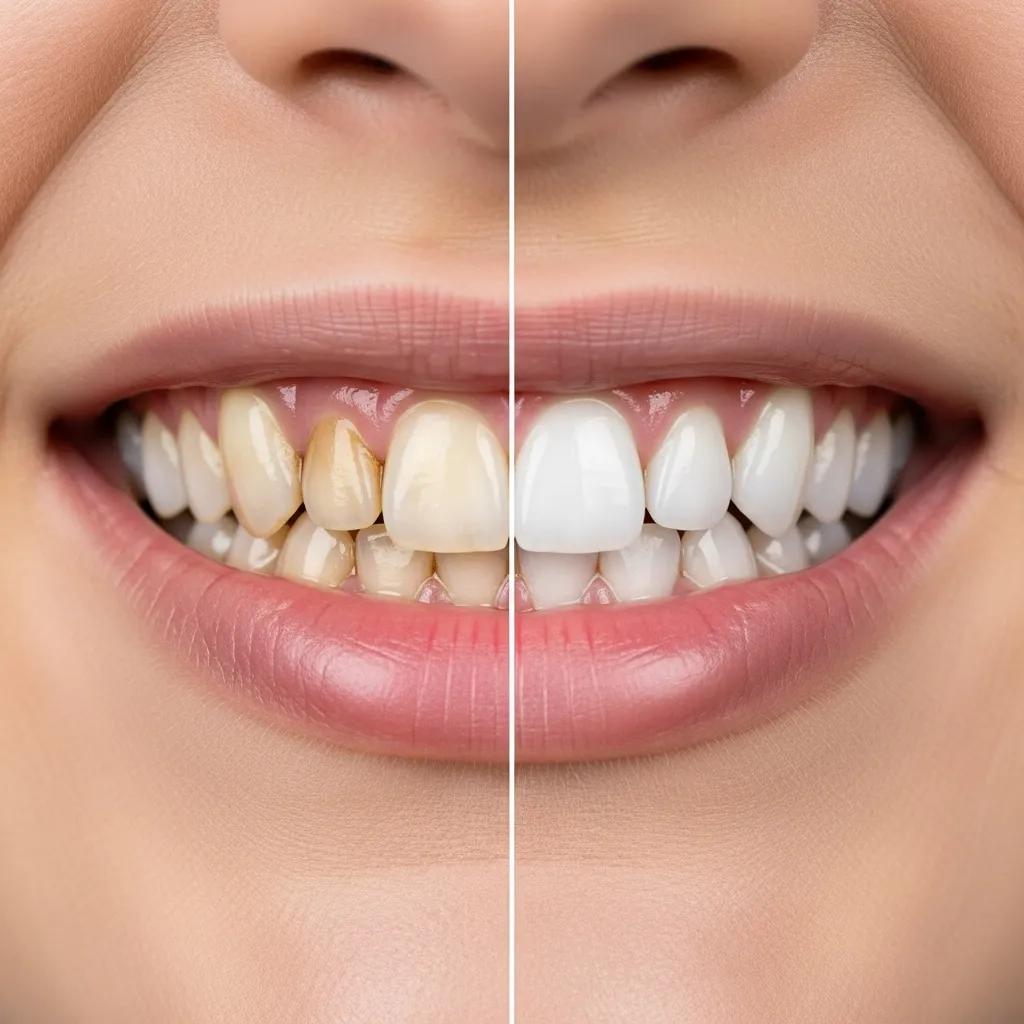
Ask what shade change is realistic for you. Any photographs should be used with permission and show comparable treatment; another person’s result does not establish what yours will be.