TOOTH REPAIR
A broken tooth: how repair options are evaluated
Learn what to tell the dentist about a broken tooth and which questions to ask about repair, root canal treatment or replacement at Dental Krafts in Sacramento.
Read the guide →
DENTAL KRAFTS · SACRAMENTO, CA
Small changes, thoughtfully made.
Ask about tooth-colored bonding for selected chips, uneven edges or small spaces. Start with an evaluation at Dental Krafts to see what is appropriate for your smile.

WHAT TO EXPECT · DENTAL KRAFTS
Bonding uses tooth-colored composite to change a selected edge or surface. The condition of the tooth and bite determines whether it is suitable.
Your examination determines the recommended steps, timing and follow-up for your care.
Check for injury, decay or bite concerns before treating the area as a cosmetic change.
Agree on the intended contour and a color that works with surrounding teeth.
Prepare the surface, apply and shape composite, then harden it with a curing light.
Refine the surface and bite, and discuss habits that could stain, wear or chip the repair.
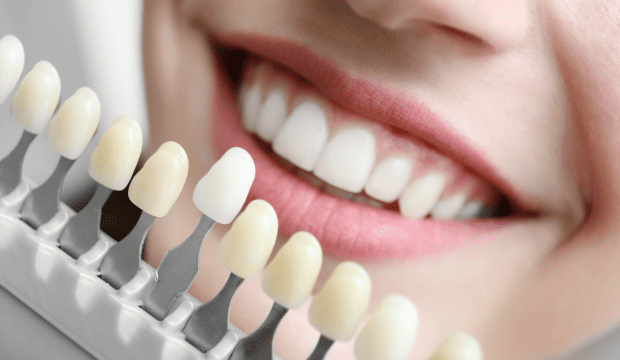
Bonding uses tooth-colored composite resin to add or replace a limited area of tooth structure. It may repair a small chipped edge, smooth an uneven contour or reduce a small visible space when the tooth and bite are suitable. The material is shaped directly on the tooth, so planning focuses on the specific edge, surface or proportion you want to change.
A painful chip, a fracture after an injury or a tooth that has changed color needs an examination before it is treated as a cosmetic concern. The visible defect does not reveal how far a crack or injury extends. For a new break with pain, call (916) 481-3930 or read our emergency care information.
These choices solve different problems. Bonding adds material to change a tooth’s outline. Veneers cover more of its front surface and may involve irreversible enamel removal. Clear aligners move teeth rather than make them wider. A gap caused by tooth position or a bite problem may need a different plan from a small space beside an otherwise well-positioned tooth.
For a heavily damaged tooth, adding a cosmetic edge may not provide enough protection. A crown or another restoration may be considered. The aim is to match the repair to the amount of healthy tooth and the forces it will carry.
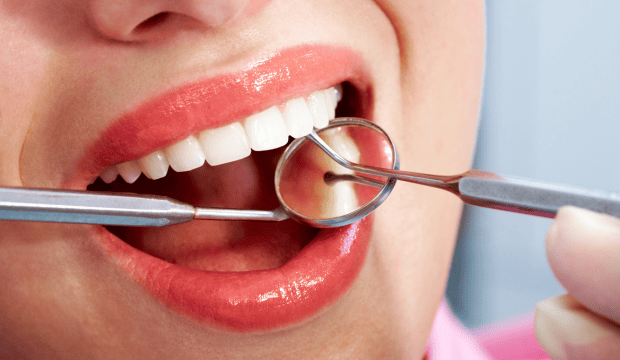
Planning starts with the intended shape and a shade that works with the surrounding teeth. The tooth surface is prepared, bonding material is applied, and composite is sculpted and hardened with a curing light. Finishing and polishing refine the surface. The dentist also checks how the repaired area contacts the opposing teeth.
The amount of preparation and whether local anesthetic is needed depend on the tooth and whether decay or other damage must be treated. Confirm the number of teeth and appointments in your plan; a cosmetic repair and treatment of an injured tooth can require different steps.
Composite can stain, wear or chip. Avoid using teeth to open packaging or biting hard objects with the repaired edge. Let us know about clenching, grinding, nail biting or a repair that has broken repeatedly; those details may change the design or the treatment recommended. Brush with fluoride toothpaste, clean between the teeth and have the restoration checked during routine care.
If whitening is also part of your plan, discuss it before the bonding shade is selected. The resin will not lighten in the same way as natural teeth. Planning the sequence helps avoid an unexpected color difference and unnecessary replacement of a new repair.
YOUR QUESTIONS, ANSWERED
Both may use composite resin. A filling repairs tooth structure affected by decay; cosmetic bonding primarily changes an edge, contour or appearance. A tooth with both concerns needs a plan that addresses its health as well as its shape.
Sometimes the affected area can be repaired; other cases need the restoration replaced or a different approach. The dentist checks why it chipped, the remaining bond and the underlying tooth before recommending the next step.
It can if extra material is added without considering proportions. The width of the space, the neighboring teeth and your bite guide whether bonding is appropriate. Discuss tooth movement or another option if the proposed shape would not meet your goals.
Ask which teeth and surfaces are included, whether other dental treatment is needed first, and what follow-up is planned. Coverage depends on the procedure and your policy; a repair for damage and a purely cosmetic change may be treated differently by an insurer.
INFORMATION FOR YOUR NEXT STEP
TOOTH REPAIR
Learn what to tell the dentist about a broken tooth and which questions to ask about repair, root canal treatment or replacement at Dental Krafts in Sacramento.
Read the guide →SMILE PLANNING
Organize your cosmetic dentistry questions before visiting Dental Krafts. Compare appearance goals, preparation, costs, maintenance and alternatives with Dr. Sharma.
Read the guide →EXPLORE YOUR OPTIONS
Explore veneers for selected concerns with tooth color, shape and appearance. Dr. Sharma can help you compare veneers with other ways to reach your smile goals.
Explore treatmentAddress cavities and selected areas of tooth damage with a restoration planned for your needs. Dental Krafts provides evaluations and tooth-colored filling options in Sacramento.
Explore treatmentExplore Invisalign treatment with Dr. Neha Sharma at Dental Krafts. Ask about $1,500 off new, qualifying treatment for patients without orthodontic insurance benefits.
Explore treatmentYOUR SACRAMENTO DENTAL HOME
New patients, familiar faces and fresh starts.
We look forward to meeting you.