Importance of Oral Hygiene
Maintaining oral hygiene is crucial for overall health and well-being. Good oral hygiene practices help prevent dental issues such as cavities, gum disease, and bad breath, ensuring that your mouth remains healthy and functional.
Regular brushing and flossing are essential components of oral hygiene. According to the American Dental Association, brushing twice a day and flossing daily can significantly reduce the risk of dental problems. Additionally, routine dental check-ups play a vital role in early detection and treatment of oral health issues.
Common Mouth Cleaning Techniques
There are several effective techniques for cleaning your mouth that can enhance your oral hygiene routine. These methods ensure that food particles, plaque, and bacteria are effectively removed from your mouth.
Brushing with fluoride toothpaste, using dental floss, and utilizing mouthwash are fundamental techniques. Each method targets different areas of oral care; for instance, brushing cleans the surfaces of your teeth, while flossing removes debris between them. Mouthwash can provide additional antibacterial benefits and freshen breath.
Natural Remedies for Oral Care
Many people seek natural remedies to enhance their oral hygiene routine. These alternatives can complement traditional dental care practices and may provide added benefits without harsh chemicals.
Common natural remedies include using baking soda as a gentle abrasive for teeth cleaning, oil pulling with coconut oil to reduce bacteria, and rinsing with saltwater to soothe inflamed gums. These remedies have been used for generations and can be effective when combined with regular dental care.
Signs of Poor Oral Hygiene
Recognizing the signs of poor oral hygiene is essential for maintaining dental health. Early detection of these signs can prompt individuals to improve their oral care routine before serious issues develop.
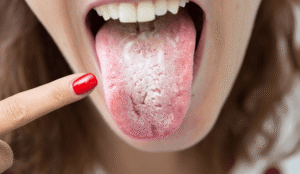
Common indicators include persistent bad breath, swollen or bleeding gums, and a white or coated tongue. If you notice these symptoms, it may be time to reassess your oral hygiene practices and consult with a dental professional for personalized advice.