Frequently Asked Questions
What are the causes of a white tongue?
The causes of a white tongue include poor oral hygiene, dehydration, smoking, certain medications, and underlying health conditions such as oral thrush or leukoplakia. Maintaining good oral care can help prevent this condition.
What natural remedies can help treat a white tongue?
Natural remedies that can help treat a white tongue include regular tongue scraping, maintaining good oral hygiene, staying hydrated, and using saltwater rinses. These practices can reduce bacteria and promote a healthier mouth.
How does a white tongue affect oral health?
A white tongue can negatively affect oral health by harboring bacteria and food particles, which may lead to bad breath, oral infections, and other dental issues. Maintaining proper oral hygiene is essential to mitigate these risks.
What dietary changes can reduce white tongue?
Dietary changes that can reduce white tongue include increasing hydration, consuming probiotic-rich foods like yogurt, and incorporating fresh fruits and vegetables. Avoiding sugary, processed foods and alcohol can also help improve oral health and reduce tongue discoloration.
Are there specific foods to avoid for white tongue?
Certain foods should be avoided for a white tongue, including sugary snacks, dairy products, and highly processed foods, as they can contribute to bacterial growth and worsen the condition. Opting for a balanced diet can help maintain oral health.
How can hydration impact white tongue condition?
Hydration plays a crucial role in managing the white tongue condition. Adequate fluid intake helps maintain saliva production, which aids in cleansing the mouth and preventing the buildup of bacteria and debris that contribute to a white tongue.
What role does oral hygiene play in white tongue?
The role of oral hygiene in white tongue is crucial. Maintaining good oral hygiene helps prevent the buildup of bacteria and debris on the tongue, which can lead to the condition. Regular brushing and tongue scraping can significantly reduce the risk of developing a white tongue.
Can stress contribute to a white tongue?
Stress can indeed contribute to a white tongue. It may lead to decreased saliva production and increased oral bacteria, both of which can result in a coated tongue and affect overall oral health.
How often should I brush my tongue?
Brushing your tongue should be part of your daily oral hygiene routine, ideally done each time you brush your teeth. This helps remove bacteria and food particles, contributing to fresher breath and better overall oral health.
What are the symptoms of a white tongue?
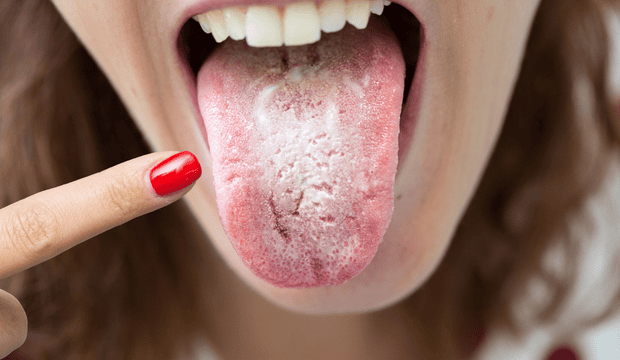
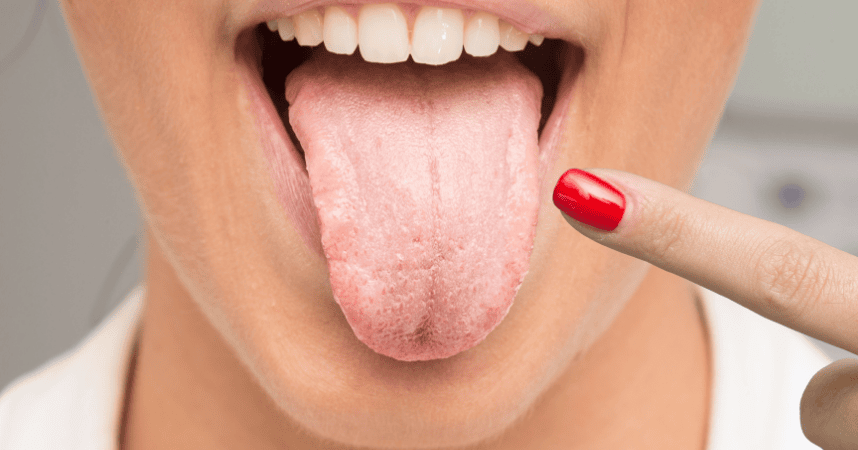
The symptoms of a white tongue include a whitish coating on the surface, bad breath, a dry mouth, and a change in taste sensation. These signs may indicate underlying oral health issues that require attention.
Is a white tongue a sign of infection?
A white tongue can be a sign of infection, particularly if accompanied by other symptoms like pain or swelling. However, it may also result from factors like poor oral hygiene or dehydration. It's essential to consult a dentist for an accurate diagnosis.
How can probiotics help with white tongue?
Probiotics can help with white tongue by balancing oral bacteria, reducing harmful microorganisms, and promoting a healthier oral environment. This can alleviate symptoms and support overall oral health, contributing to a cleaner tongue and fresher breath.
What home remedies are effective for white tongue?
Home remedies effective for white tongue include practicing good oral hygiene, using a saltwater rinse, and incorporating baking soda into your routine. Additionally, staying hydrated and consuming probiotics can help restore balance in the mouth.
Can mouthwash help treat a white tongue?
Mouthwash can help treat a white tongue by reducing bacteria and promoting oral hygiene. However, it should be used as a supplementary measure alongside regular brushing and other remedies for optimal results.
How long does a white tongue usually last?
The duration of a white tongue can vary significantly. Typically, it lasts from a few days to a couple of weeks, depending on the underlying cause and whether proper oral hygiene is maintained.
When should I see a dentist for white tongue?
Seeing a dentist for a white tongue is advisable if it persists for more than two weeks, is accompanied by pain or swelling, or if you experience difficulty swallowing or eating. These could indicate underlying health issues that require professional evaluation.
What are the long-term effects of a white tongue?
The long-term effects of a white tongue can include persistent bad breath, oral discomfort, and an increased risk of dental issues such as cavities and gum disease. It may also indicate underlying health problems if left untreated.
Can allergies cause a white tongue?
Allergies can indeed cause a white tongue. This condition may arise due to inflammation or irritation in the mouth, leading to a buildup of dead cells and bacteria, which can manifest as a white coating on the tongue.
How does smoking affect white tongue condition?
Smoking contributes to the white tongue condition by promoting bacterial growth and causing dry mouth, which can lead to an accumulation of dead cells and debris on the tongue's surface, exacerbating oral health issues.
What is the connection between white tongue and dehydration?
The connection between white tongue and dehydration is that insufficient moisture in the mouth can lead to a buildup of bacteria and dead cells, resulting in a white coating on the tongue. Staying hydrated helps maintain oral health and prevent this condition.
Are there specific medications that cause white tongue?
Certain medications can indeed cause a white tongue. Common culprits include antibiotics, which may disrupt the natural balance of bacteria in the mouth, and medications that cause dry mouth, leading to an overgrowth of bacteria and fungi.
How can I prevent a white tongue from recurring?
Preventing a white tongue from recurring involves maintaining good oral hygiene. Regular brushing of the tongue, staying hydrated, and avoiding irritants like tobacco can help. Additionally, incorporating a balanced diet and routine dental check-ups are essential for overall oral health.
What is the best way to clean a white tongue?
The best way to clean a white tongue is to gently brush it with a soft-bristled toothbrush or use a tongue scraper, ensuring to include the back of the tongue. This helps remove bacteria and debris, promoting better oral hygiene.
Can a white tongue indicate a serious health issue?
A white tongue can indicate a serious health issue. While it often results from harmless conditions like dehydration or poor oral hygiene, persistent whiteness may signal infections, oral thrush, or other underlying health problems that require professional evaluation.
How does a white tongue relate to oral thrush?
A white tongue is often associated with oral thrush, as both conditions can result from an overgrowth of yeast in the mouth. Oral thrush specifically manifests as a creamy white coating on the tongue, indicating an imbalance in oral flora.
What natural ingredients are best for tongue scrubs?
The best natural ingredients for tongue scrubs include baking soda, which helps neutralize odors, coconut oil for its antibacterial properties, and salt to exfoliate and cleanse the tongue effectively.
How can I identify the cause of my white tongue?
Identifying the cause of your white tongue involves observing accompanying symptoms, such as bad breath or pain, and considering factors like dehydration, oral hygiene, or dietary choices. Consulting a dental professional can provide a definitive diagnosis.
What lifestyle changes can improve tongue health?
Lifestyle changes that can improve tongue health include maintaining proper oral hygiene, staying hydrated, avoiding tobacco products, and incorporating a balanced diet rich in fruits and vegetables. Regular dental check-ups also play a crucial role in ensuring overall tongue health.
Are there any supplements that help with white tongue?
Supplements that may help with white tongue include probiotics, which promote a healthy balance of oral bacteria, and vitamin B complex, which supports overall oral health. However, it's essential to consult a healthcare professional before starting any supplement regimen.
How can I maintain overall oral health effectively?
Maintaining overall oral health effectively involves practicing good hygiene, such as brushing twice daily, flossing regularly, and visiting your dentist for check-ups. Additionally, a balanced diet and staying hydrated contribute significantly to oral wellness.