Understanding Dental Implant Procedures
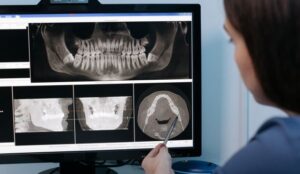
Dental implant procedures involve a series of steps designed to replace missing teeth with artificial ones that look and function like natural teeth. The process typically begins with a comprehensive examination, including imaging studies, to assess the jawbone's condition and determine the best approach for implant placement.
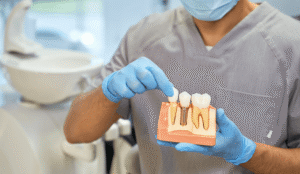
After the initial assessment, the dental professional will perform the surgical placement of the implant into the jawbone, followed by a healing period during which the implant fuses with the bone. This osseointegration process is crucial for the stability of the implant. Once healed, an abutment is placed, and finally, a custom crown is attached, completing the restoration.
Benefits of Dental Implants
Dental implants offer numerous benefits over traditional dentures and bridges, including improved aesthetics, enhanced comfort, and better oral health. Unlike removable dentures, implants are securely anchored in the jaw, which eliminates the discomfort and inconvenience of slipping or clicking.
Additionally, dental implants help preserve jawbone density by stimulating the bone just like natural tooth roots. This prevents the bone loss that often occurs after tooth extraction, maintaining facial structure and preventing the sunken appearance that can accompany missing teeth.
Cost of Dental Implants: What to Expect
The cost of dental implants can vary widely depending on several factors, including the number of implants needed, the complexity of the case, and the location of the dental practice. On average, patients can expect to pay between $3,000 and $4,500 per implant, which includes the surgical procedure, materials, and follow-up care.
While the initial cost may seem high, it's important to consider the long-term benefits and durability of dental implants. With proper care, they can last a lifetime, making them a cost-effective solution compared to other tooth replacement options that may require frequent replacements or adjustments.
Post-Operative Care for Dental Implants
Proper post-operative care is essential for the success of dental implants. After the procedure, patients are typically advised to follow specific guidelines to ensure optimal healing and integration of the implant. This includes managing pain with prescribed medications, avoiding hard or chewy foods, and maintaining good oral hygiene.
Regular follow-up visits with the dental professional are also crucial to monitor the healing process. Patients should report any unusual symptoms, such as prolonged pain or swelling, to ensure any potential complications are addressed promptly.