Understanding Crossbite: Causes and Symptoms
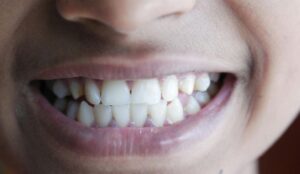
A crossbite occurs when the upper teeth do not properly align with the lower teeth, leading to an improper bite. This misalignment can happen at the front or back of the mouth and may be caused by genetic factors, thumb sucking, or early loss of baby teeth.
Common symptoms of a crossbite include difficulty chewing, jaw pain, and uneven wear on teeth. Identifying the condition early is crucial for effective treatment, as it can lead to more severe dental issues if left unaddressed.
Non-Brace Treatment Options for Crossbite
For individuals seeking alternatives to braces, several effective treatment options are available for correcting crossbite. These include clear aligners, dental appliances, and orthodontic retainers that can gradually shift teeth into proper alignment.
Clear aligners, such as Invisalign, offer a discreet and comfortable way to address crossbite without the need for traditional metal braces. Additionally, dental appliances can help guide the teeth into the correct position, making them an excellent choice for both children and adults.
Preventive Measures for Crossbite
Preventing a crossbite starts with good oral hygiene and regular dental check-ups. Parents should monitor their children's dental development and address habits like thumb sucking that can contribute to misalignment.
Moreover, early intervention by a dentist can help identify potential issues before they develop into more significant problems. Maintaining a balanced diet and avoiding excessive sugary snacks can also promote healthy teeth and jaw alignment.
The Importance of Seeking Professional Advice
If you suspect you have a crossbite or are experiencing related dental issues, consulting a dental professional is essential. They can provide a comprehensive evaluation and recommend the most suitable treatment options tailored to your needs.
Professional assessments often include X-rays and bite analysis to determine the severity of the crossbite. Early diagnosis and treatment can significantly improve dental health and overall quality of life.