
Before the end of the year, check your dental plan’s benefit-period dates, remaining annual maximum, deductible, frequency limits, exact provider network, and any clinically recommended care that is still pending. The important detail is that not every plan resets on January 1. Your plan document or insurer—not a general checklist—determines the dates and benefits that apply to you.
A benefits review should help you make informed decisions, not rush you into treatment you do not need. A dentist must first determine whether care is appropriate, and the insurer makes the final coverage decision under your plan. Use the checklist below to prepare useful questions for both. For our practice’s policies, see Insurance & PPO information.
Why review dental benefits now?
September is a natural planning point for many Sacramento households. California’s state benefits site identifies September as the start of Open Enrollment and encourages state employees to review their choices. Other employers and individual plans may follow different schedules, so confirm your own deadlines.
Reviewing benefits early gives you more time to locate plan information, schedule an examination, ask for an estimate, and consider the timing of care. Waiting until the final days of a benefit period may limit appointment choices, especially when treatment needs more than one visit.
1. Confirm the benefit period and reset date
A dental benefit period is the span of time used to calculate benefits. It is often 12 months, but it is not always the calendar year. Check your summary of benefits or member portal for the exact beginning and ending dates.
Ask the insurer:
- When does my current benefit period end?
- Do any unused benefits carry forward, or do they expire?
- Do deductibles and annual maximums reset on the same date?
- Are there waiting periods or plan-year rules that affect pending care?
Do not assume that a coworker with the same insurance company has identical terms. Employers can select different networks and benefit designs from the same carrier.
2. Check your remaining annual maximum and deductible
The annual maximum is generally the most the dental plan will pay toward covered care during a benefit period. It is not the most treatment can cost. After the plan reaches that maximum, the patient is generally responsible for additional charges, subject to the provider agreement and plan rules.
A deductible is the amount you pay for covered services before the plan begins paying according to its terms. Some services may be exempt from the deductible, while others apply to it. Coinsurance, copayments, exclusions, and frequency limits can still affect your share.
Your insurer can tell you how much of the maximum has been used and whether the deductible has been met. Keep in mind that recently submitted claims may not yet appear in the total.
3. Review preventive-care eligibility and frequency rules
Plans often describe examinations, dental cleanings, or X-rays as preventive services, but coverage and timing vary. “Covered” does not always mean “no cost,” and a plan may limit how often a service is eligible.
Before scheduling solely because of insurance timing, ask:
- Is the service covered under my plan?
- Does the plan use a fixed number of visits per benefit period or a minimum number of months between visits?
- Does the deductible apply?
- Are X-rays subject to separate frequency limits?
Your clinical schedule should be based on your oral-health needs. The insurance plan determines reimbursement, not what care is medically or dentally appropriate.
4. Revisit treatment that was already recommended
If a dentist previously recommended a filling, crown, periodontal care, root canal treatment, or another service, year-end is a useful time to ask whether the recommendation is still current. Symptoms and conditions can change, so an updated examination may be needed before treatment proceeds.
Do not start unnecessary care merely to use benefits. Instead, ask the dentist:
- What problem is the treatment intended to address?
- What could happen if I wait?
- Are there reasonable alternatives?
- How many visits are expected?
- Is the timing based on clinical need, laboratory timing, insurance rules, or a combination?
Seek prompt dental care for severe tooth pain or facial swelling rather than waiting for a benefit deadline. For trouble breathing or swallowing, severe or rapidly spreading swelling, or another life-threatening emergency, call 911 or go to an emergency department.
5. Verify the exact PPO network
“We accept your insurance” and “we are in-network for your exact plan” are not always the same statement. PPO carriers may offer several networks, and participation can differ among them. Dental Krafts welcomes PPO patients and self-pay patients but does not accept HMO plans. Network status should be checked using the precise plan and network name.
Have these details ready when you call the dental office or insurer:
- Insurance carrier and exact plan or network name
- Member ID and group number
- Subscriber’s name and date of birth
- Employer name, when relevant
- Insurer’s member-services phone number
The insurer is the final source for eligibility, network status, exclusions, and benefit decisions.
6. Ask about a pre-treatment estimate
For planned care, the dental office may be able to submit information to the insurer for a pre-treatment estimate, sometimes called a pre-determination. It can help estimate what the plan may pay and what you may owe.
An estimate is not a guarantee. Final payment can change because of plan limitations, remaining benefits when the claim is processed, treatment changes, coordination with another plan, missing information, or the insurer’s claim decision. Ask what portion is an estimate and when payment is expected.
7. Plan multi-visit care realistically
Some treatment requires diagnosis, preparation, laboratory work, healing, or more than one appointment. The service date used by an insurer can depend on the procedure and plan. Do not assume care can or should be divided between benefit periods simply to use two annual maximums.
Discuss the clinical sequence with the dentist and the coverage rules with the insurer. Leave enough time for scheduling, records, pre-treatment review, and any required laboratory steps. Dental health and safe sequencing come first.
Are FSA or HSA funds the same as dental insurance?
No. A flexible spending account or health savings account is separate from the dental plan, even when eligible dental expenses can be paid from the account. Deadlines, rollover rules, documentation requirements, and eligible expenses vary. Check the current rules with your plan administrator or tax adviser before relying on the funds. The dental office cannot determine your tax eligibility.
What if you do not have dental insurance?
Insurance is not required to become a patient at Dental Krafts. The practice welcomes self-pay patients. Ask for a written estimate and review the current membership plan and financing information directly; availability and terms should be confirmed before making a decision.
Frequently asked questions
Do unused dental benefits always expire at year-end?
No. Many plans use a calendar-year benefit period and do not carry unused benefits forward, but some plans use different dates or rollover provisions. Check your plan document or call the insurer.
Is the dental benefit period always January through December?
No. A benefit period is often 12 months, but it can follow another schedule. Confirm the dates for your specific plan.
Does “covered preventive care” mean it is free?
Not necessarily. Deductibles, coinsurance, network status, frequency limits, exclusions, and other terms may affect the amount you owe.
What is the difference between a deductible and an annual maximum?
The deductible is generally the amount you pay before the plan starts paying under its terms. The annual maximum is generally the most the plan will pay for covered dental care during the benefit period.
Is a pre-treatment estimate a guarantee of payment?
No. It is an estimate based on information available at the time. The insurer’s final claim decision and the plan’s terms control payment.
Review your dental benefits with time to plan
If you are considering an examination or have treatment that was previously recommended, start by gathering your exact plan information. Dental Krafts can help request benefit details and provide treatment estimates, but the insurer makes the final coverage decision.
Learn more on the Dental Krafts Insurance & PPO page, request an appointment online, or call (916) 481-3930. Dental Krafts is located at 1806 Professional Drive, Suite A, Sacramento, CA 95825.
This article provides general education and is not insurance, tax, financial, or clinical advice. Benefits and payment depend on the individual plan, insurer decisions, services provided, and current eligibility. An examination is required for a personalized treatment recommendation.
Sources and further reading
- Delta Dental: dental benefits glossary
- CalHR: current benefits and enrollment information
- IRS Publication 969: health savings accounts and flexible spending arrangements
- NHS: dental abscess symptoms and emergency warning signs
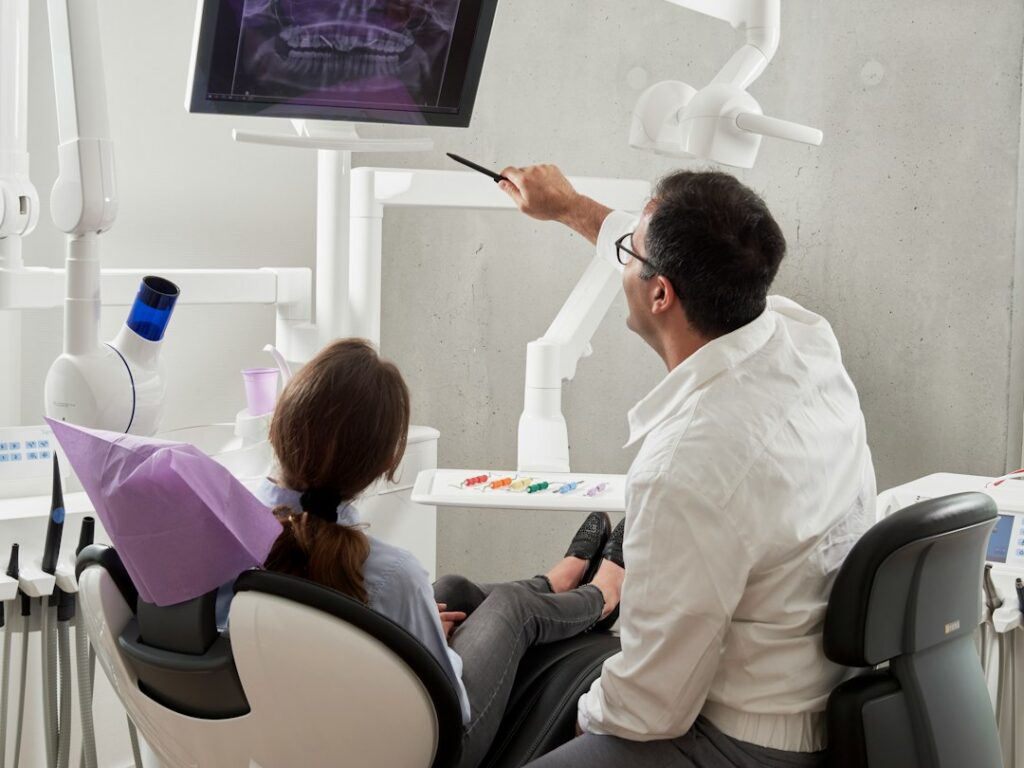
Featured stock photograph by Caroline LM on Unsplash. Shown for illustration; not a Dental Krafts patient or team member.