
How to Choose the Right Clear Aligners for Your Smile
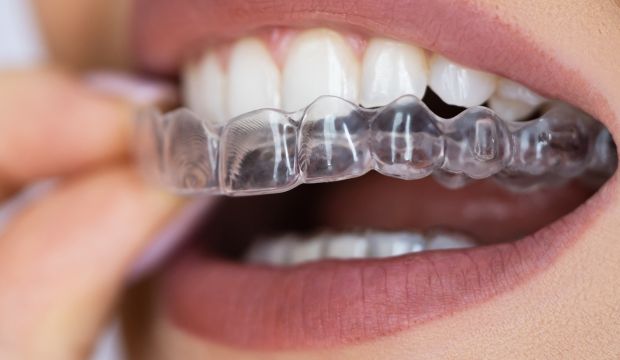
A confident smile can change the way you feel about yourself and how others see you. The good news is, achieving that perfect smile no longer means dealing with metal brackets or painful wires. With clear aligners, you can straighten your teeth in a way that’s discreet, comfortable, and designed to fit your lifestyle.
However, with so many brands and treatment options available, choosing the right one can be tricky. Should you go for Invisalign or Spark? How do you know which aligner will give you the best results for your specific needs?
In this blog, we’ll help you understand how to choose the right clear aligners for your smile so you can feel confident every step of the way.
What Are Clear Aligners?
Clear aligners are custom-made trays designed to gradually move your teeth into the correct position. Made of smooth, transparent plastic, they fit snugly over your teeth — making them nearly invisible.
Unlike traditional braces, aligners can be removed when you eat or brush, giving you more flexibility and better oral hygiene. Most treatments last between six months and two years, depending on how complex your case is.
They’re a modern, comfortable, and aesthetic alternative for adults and teens who want to straighten their teeth without drawing attention.
Why Clear Aligners Are So Popular
Clear aligners have become one of the fastest-growing dental treatments globally. Why? Because they blend results with convenience.
You can take them out for meals, meetings, or photos. There are no food restrictions or metal discomfort, and they’re much easier to clean than braces. For busy professionals or anyone who values aesthetics, aligners are a game changer.
Beyond looks, aligners also help improve bite alignment and oral health. Straighter teeth are easier to clean, which means fewer cavities and healthier gums in the long run.

Factors to Consider Before Choosing Clear Aligners
Every smile is unique — and so should your aligner treatment be. Here are a few key things to consider before making your choice:
1. Consult a Certified Dentist or Orthodontist
This is the most important step. An in-person dental evaluation helps determine if aligners are suitable for your case. Not all alignment issues can be corrected with aligners alone. In some cases, severe crossbite or jaw alignment problems may still require braces or a combined treatment approach.
2. Check the Technology Used
Different brands use different 3D scanning and movement prediction technologies. Choose a provider that offers advanced 3D imaging and digital treatment planning, so you can actually see how your teeth will move over time.
3. Compare Treatment Plans and Duration
While some companies promise quick results, not all are realistic. Genuine aligner treatments are customized and monitored by dental professionals. The treatment time usually depends on your age, teeth movement, and how consistently you wear the aligners.
4. Evaluate Comfort and Material Quality
The material of the aligners plays a big role in comfort. Some brands use medical-grade plastic that’s thinner, smoother, and less visible. Ask about this before starting treatment.
5. Consider Aftercare and Follow-Up Support
A good aligner experience doesn’t end when you receive your trays. Regular check-ups — whether in-person or virtual — ensure your progress stays on track. Choose a provider who offers consistent support throughout.
How to Evaluate an Aligner Option
Choose care based on an examination, the prescribed plan and access to follow-up, rather than a brand ranking or promise of fast results. Ask who is responsible for treatment, how progress is checked in person, how problems are handled and what retainers cost. The FDA’s clear-aligner guide explains professional supervision and limitations. SmileDirectClub ceased operations in 2023 and should not be treated as a current provider.

Invisalign vs. Other Clear Aligner Brands
Invisalign can be provided by trained general dentists as well as orthodontists. Ask the treating clinician whether aligners are appropriate for your teeth and bite or whether braces or specialist care would be a better option. Follow-up and retention are part of the treatment plan.
How Dental Krafts Helps You Choose the Right Aligner
At Dental Krafts, we believe every smile deserves personalized attention. Our team starts with a detailed digital scan to map your teeth and design a treatment plan tailored to your goals.
We work with trusted aligner systems that focus on comfort, precision, and predictability. From the first tray to the last, our dentists monitor your progress closely — ensuring you get the best results safely and comfortably.
Whether you’re new to aligners or switching from another provider, we’ll help you understand every option before you commit.

Final Thoughts
Choosing the right clear aligners isn’t just about finding a brand — it’s about finding the perfect balance between technology, comfort, and trusted dental care.
At Dental Krafts, we guide you every step of the way — from your first consultation to your final smile reveal. With the right aligners and the right team, your dream smile is closer than you think.
FAQs
Most treatments take between 6 months and 18 months, depending on your case and how regularly you wear your aligners.
You might feel mild pressure for the first few days of each new tray — that’s a sign they’re working. But overall, aligners are much more comfortable than braces.
Aligners are great for mild to moderate crowding, spacing, and bite problems. Severe cases may still require braces or a combined approach.
For the best results, wear them at least 20–22 hours a day, removing them only for meals and brushing.