
Root Canal Treatment: What You Need to Know
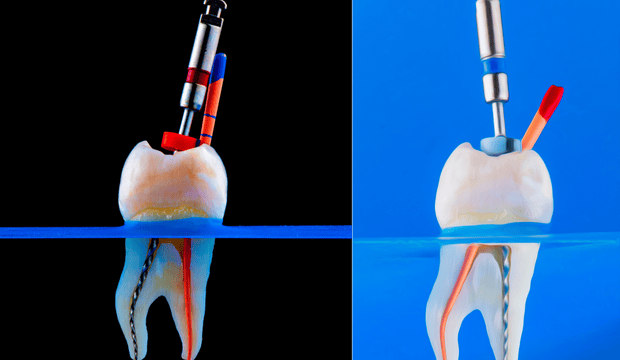
When people hear the word ‘root canal’, they usually get little nervous. For decades, root canal treatment has been surrounded by fear and myths, yet it remains one of the most reliable dental procedures for saving a damaged tooth. Instead of extracting the tooth, dentists can treat the infection inside, relieve pain, and restore function. With advancements in modern dentistry, root canal therapy is safer, faster, and far more comfortable than most people expect.
In this guide, we’ll explore everything you need to know about root canal treatment, from symptoms and procedure details to aftercare and common misconceptions.
For local treatment and appointment information, see root canal treatment at Dental Krafts.
What is a Root Canal Treatment?
Root canal is basically a dental treatment done when tooth get infected or damaged from inside. Every tooth has a soft tissue core called the pulp, which contains blood vessels, nerves, and connective tissue. When this pulp becomes infected due to deep decay, cracks, or trauma, it causes severe pain and can even lead to tooth loss if left untreated.
Root canal treatment involves removing the infected pulp, cleaning and disinfecting the canal, and then sealing the space with a dental filling material. Finally, a crown is usually placed on top to strengthen the tooth and restore its natural function.

When Do You Need a Root Canal?
Not every toothache requires a root canal. But sometimes, few symptoms show that the pulp inside tooth is infected or damaged:
1. Persistent toothache or throbbing pain
2. Sensitivity to hot or cold that lingers
3. Swollen gums around the tooth
4. Darkening or discoloration of the tooth
5. Swelling of the face or jaw in severe cases
Mostly these problems come from untreated cavities, too many dental works, cracked tooth or even injuries. If you see such signs, better to visit dentist soon so infection don’t spread and tooth can be saved.
Step-by-Step Root Canal Procedure
Modern root canal is actually much simpler than what most people imagine. Usually the treatment goes in few steps like this:
1. Examination & X-ray – Dentist checks the tooth and see how much damage is there.
2. Local Anesthesia – The area around the tooth is numbed to ensure comfort.
3. Opening the Tooth – A small hole is made to access the pulp chamber.
4. Cleaning the canal – the infected pulp is taken out and inside of tooth is cleaned n disinfected.
5. Filling the canal – once its empty, dentist fills it with a rubber type stuff called gutta-percha.
6. Sealing and Restoring – A temporary or permanent filling is placed, and later, a crown is added for strength.
Most people only need one or two appointments, unless the tooth is more complicated.
Does Root Canal Hurt?
Local anesthesia is used to manage discomfort during root canal treatment. Tell the clinician if you feel pain. Some tenderness can occur afterward; follow your individual aftercare instructions.
Recovery and Aftercare

Healing after a root canal is generally smooth, but proper aftercare ensures the tooth stays healthy.
• Avoid chewing hard foods on the treated tooth until a crown is placed.
• Brush & floss like normal, make sure area stay clean.
• Follow your dentist’s instructions regarding medication.
• Attend follow-up appointments to check healing progress.
With proper oral care, root canal tooth usually last as long as natural one’s.
How Long Does a Root Canal Last & Cost in the U.S.?
A treated tooth can remain functional for many years, but longevity varies with the tooth, restoration and ongoing care.
Request an individual estimate covering treatment, imaging and the final restoration. Fees and insurance benefits vary.
Dental insurance may cover part of the cost, especially if the procedure is medically necessary.
Common Myths About Root Canal

Even though root canal has so many benefits, people still believe lot of myths around it. Let’s try to clear a few common ones:
Myth: Root canal treatment must hurt. Local anesthesia and an individualized pain-control plan help patients tolerate treatment.
Keeping a restorable natural tooth is an important option. Discuss its prognosis and alternatives before deciding.
Myth 3.)“Root canals cause illness.” → This is an outdated myth; no scientific evidence supports it.
Read the American Association of Endodontists’ explanation of root canal treatment for more information.
Final Thoughts
Root canal treatment is not something to fear—it’s a safe and effective way to preserve your natural smile. When treated in the early stages, it can prevent severe discomfort, infections, and the need for expensive tooth removal. If you notice ongoing pain or other dental issues, it’s best not to delay. A timely dental visit can make all the difference.
FAQs About Root canal treatment
The procedure typically lasts around 60 to 90 minutes and is often finished in one or two visits.
Not every tooth needs a crown. The restoration depends on the tooth and remaining structure; back teeth commonly need crowns for protection.
Yes. Persistent or new disease can require retreatment, surgery or extraction, depending on the cause and restorability.
When carried out with the right precautions, root canal treatments can be safely performed during pregnancy. Dentists may use minimal X-rays and pregnancy-safe anesthesia.
Yes, children with severely infected baby teeth may need a form of root canal treatment (called pulpotomy or pulpectomy) to save the tooth until it falls out naturally.
Wait until the numbness wears off and stick to soft foods for the first day.