
7 Common Signs Your Wisdom Teeth Are Coming In

Wisdom teeth are the third set of molars that usually make their debut in late adolescence or early adulthood—typically between the ages of 17 and 25. While some people never develop wisdom teeth at all, for many others, these molars emerge with little fanfare or cause for concern. However, in a significant number of cases, wisdom teeth come with a set of complications that may require dental intervention.
Understanding the signs that your wisdom teeth are coming in can help you prepare for any necessary treatment and avoid more serious oral health issues down the line. Whether your wisdom teeth are growing in properly or causing problems, being aware of the symptoms is the first step toward maintaining optimal dental health.
For local treatment and appointment information, see tooth extraction consultations at Dental Krafts.
1. Pain or discomfort in the back of your mouth
One of the earliest and most common signs that your wisdom teeth are emerging is a dull, persistent ache at the very back of your mouth. This discomfort often comes and goes but tends to become more consistent as the tooth continues to push through the gum line. It may occur on one or both sides of the mouth and is usually felt behind your second molars.
In some cases, the pain might intensify when eating, brushing, or even speaking. This discomfort arises as the tooth tries to break through the gums, sometimes causing inflammation or pressure against neighboring teeth.

2. Red or Swollen Gums
Swelling and redness around the site where the tooth is erupting is another sign your wisdom teeth may be coming in. As the tooth pushes against the soft tissues, the area can become irritated and inflamed. Your gums might be tender to touch or appear more puffy than usual.
When your gums are swollen, brushing or flossing around them can be painful, making it harder to keep your mouth clean. This increases the risk of plaque accumulation and infection if not properly managed.
3. Jaw Stiffness or Difficulty Opening Your Mouth
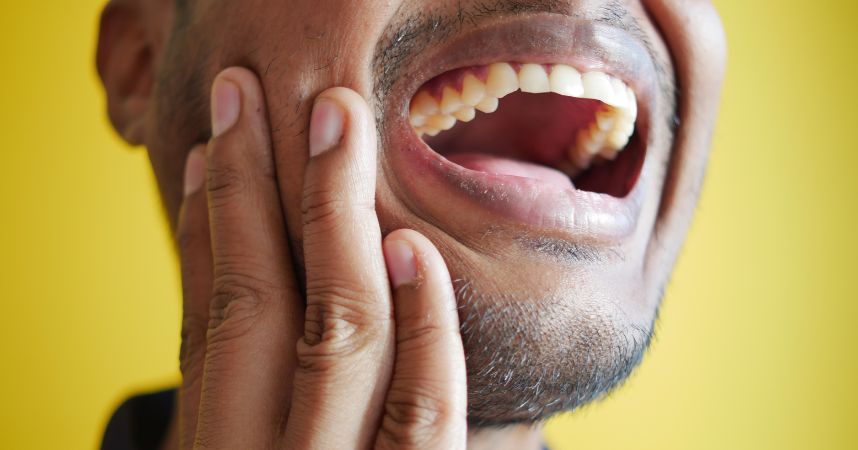
Inflammation or infection around a wisdom tooth can make opening the mouth uncomfortable. Restricted opening needs assessment.
Jaw clicking alone does not show that a wisdom tooth is affecting the jaw joint. Tell your dentist about pain, locking or difficulty opening.
4. Headaches or Earaches Need Assessment
Headaches and earaches have many possible causes. These symptoms alone do not establish that wisdom teeth are responsible. Arrange an assessment for persistent symptoms.
5. Is Crowding a Reliable Sign?
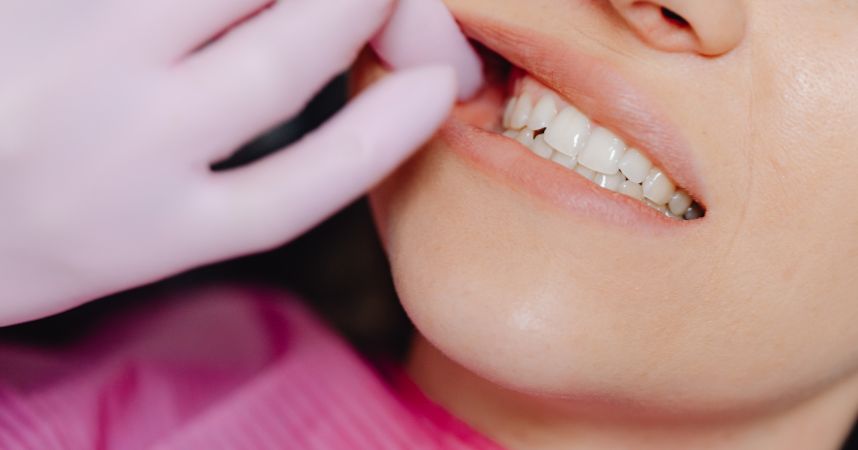
Crowding of the front teeth is not reliable evidence that wisdom teeth are erupting. Removal should not be presented as a routine way to prevent orthodontic relapse. See Imperial College Healthcare NHS guidance on wisdom teeth.
6. Bad Breath or Unpleasant Taste
As wisdom teeth erupt, they can create small flaps in the gums where food particles and bacteria easily become trapped.These gaps are difficult to clean and can lead to infections or cavities. Because of this, you might notice constant bad breath or a bad taste in your mouth, even if you brush and floss regularly.
These signs often point to pericoronitis, which is when the gum around a partly erupted wisdom tooth becomes inflamed. If not treated well, it can lead to more severe problems.

7. Visible Teeth Breaking Through the Gums
In some cases, the clearest sign that your wisdom teeth are coming in is that you can actually see them. If you notice small white or yellowish points breaking through the gums at the back of your mouth, those are likely the tops of your wisdom teeth.
This doesn’t necessarily mean the process is trouble-free, though. Even if the tooth is visible, it may not be erupting in the right direction or have enough room to grow in fully. It’s still essential to have your dentist assess their position and health.
When to See a Dentist
Not everyone will experience complications with their wisdom teeth, but early evaluation can help prevent issues like impaction, infection, or misalignment. Dentists usually check wisdom teeth with X-rays and suggest removing them only if they might cause problems for your oral health.
If you’re experiencing any of the signs listed above—especially pain, swelling, or jaw stiffness—it’s wise to schedule a dental appointment. A professional evaluation will determine whether your wisdom teeth are growing in normally or if they require intervention.
The decision to monitor or remove a wisdom tooth depends on examination findings, disease risk, symptoms and the risks of surgery. Discuss your individual options with your dentist.
Final Thoughts
Wisdom teeth are a natural part of dental development for many people, but they don’t always come-in peacefully. Recognizing the signs early allows you to act quickly, avoiding more serious problems like infection, tooth damage, or jaw pain.
If you suspect your wisdom teeth are coming in, the best thing you can do is schedule a dental consultation. With the right care and timely attention, you can navigate this phase of oral development with minimal discomfort and lasting dental health.