
Electric vs Manual Toothbrush: Which One Should You Choose?
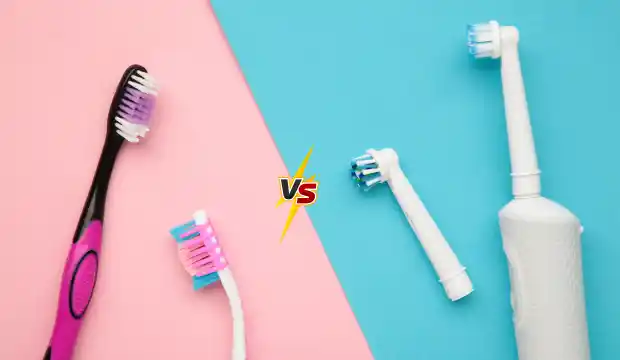
Choosing the right toothbrush might seem like a simple decision, but it can significantly impact your dental health. While both electric and manual toothbrushes can clean your teeth effectively when used correctly, there are key differences that might make one option better for you than the other.
In this blog, we’ll look at the advantages and disadvantages of both electric and manual toothbrushes, who they’re best for, and how to choose the right one for your dental care
For care at our Sacramento office, see our information on dental hygiene visits.
The Basics of Manual Toothbrushes
Manual toothbrushes have been used for many years and are still the most popular choice.They come in various shapes, sizes, and bristle types, making them a flexible and affordable option for nearly everyone.
A major benefit of a manual toothbrush is that it’s simple and easy to use. You don’t need batteries or charging docks—just pick it up and brush. This makes it especially convenient for travel or emergencies when you don’t have access to electricity.
Still, how well a manual toothbrush works mostly depends on how you brush your teeth. Many people don’t brush long enough or use proper strokes, which can lead to plaque buildup and gum issues. For children or elderly individuals who struggle with dexterity, a manual brush might not offer the level of thoroughness needed.
Electric Toothbrushes: A Modern Upgrade
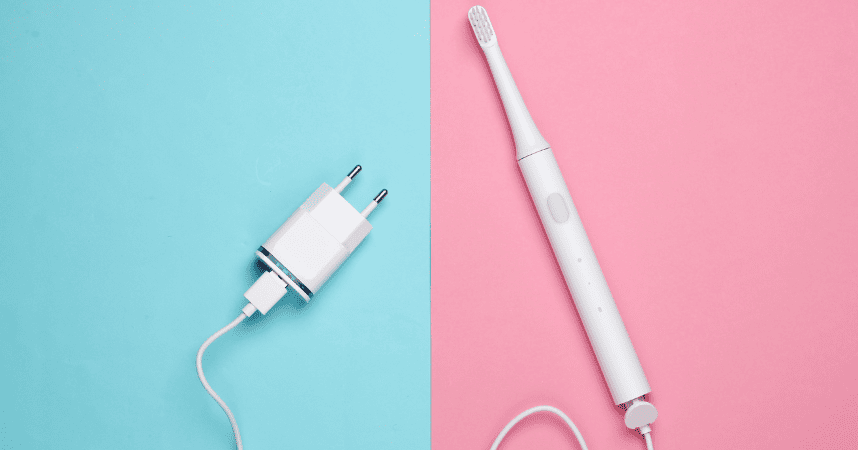
Electric toothbrushes run on batteries or can be recharged with a power unit. They use rapid, automated bristle motions—oscillating, vibrating, or rotating—to remove plaque more efficiently than manual brushing in many cases.
One major advantage of electric toothbrushes is consistency. Since the brush head moves on its own, it reduces the reliance on your personal technique. This can be especially helpful for people with arthritis, limited mobility, or braces, as the motorized action helps reach difficult areas.
Many electric models also come with timers to ensure you’re brushing for the recommended two minutes, and pressure sensors to prevent over-brushing—a common cause of gum irritation and enamel wear.
Comparing Effectiveness: Which Cleans Better?
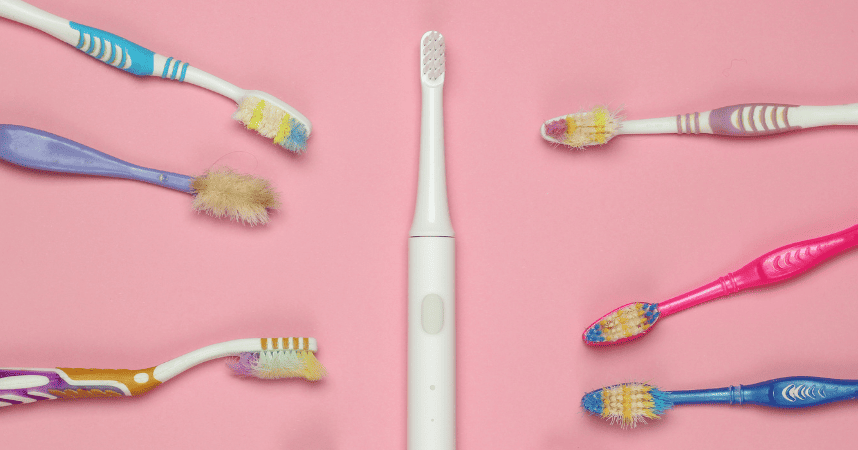
A 2014 Cochrane review found about 21% less plaque and 11% less gingivitis with powered brushes after more than three months, using specific study indices. Evidence quality was moderate and results varied; these averages do not predict an individual outcome.
However, this doesn’t mean manual brushes are ineffective. With proper technique, brushing twice a day and using fluoride toothpaste, a manual brush can be just as effective for most people.
The key lies in how consistently and thoroughly you brush—not necessarily the tool you use.
Cost and Accessibility
Manual toothbrushes are clearly more budget-friendly. You can pick one up for a fraction of the cost of even the most basic electric brush. They’re widely available and easy to replace every three months, as recommended by dental professionals.
Electric toothbrushes, however, tend to be a bit more of a financial commitment. While basic models are affordable, advanced ones with smart features can be pricey. Replacement brush heads also add to the cost and may not always be easy to find.
That said, if an electric brush helps you maintain better dental habits, the long-term savings on dental treatments may outweigh the upfront cost.
What About Children?
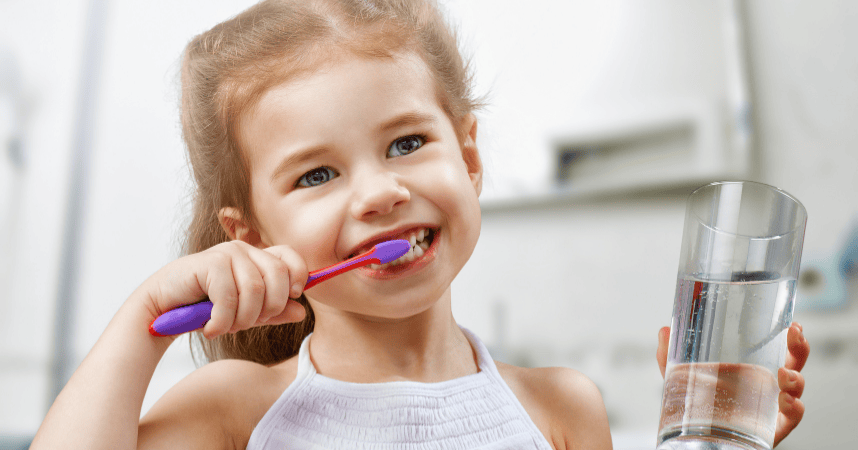
Instilling good brushing habits in children is essential for maintaining healthy teeth throughout their lives. Some children may find electric toothbrushes more engaging and fun to use, which could encourage regular brushing.
Ask your dentist about an age-appropriate brush and help your child brush effectively. See our children’s oral-care guide.
Battery vs Rechargeable Electric Brushes
If you decide to go electric, you’ll need to choose between battery-operated and rechargeable models. Battery-powered ones are usually cheaper and easier to replace but may offer less power and fewer features.
Rechargeable brushes often come with multiple settings, travel cases, pressure sensors, and timers. They also tend to have longer lifespans and better brushing efficiency.
Make sure to choose a model with soft bristles and a small brush head to reach all areas of the mouth comfortably.
So, Which One Should You Choose?
There’s no universal answer. The most effective toothbrush is the one you use regularly and with the right technique. If you’re confident in your manual brushing skills and prefer simplicity, a manual brush is perfectly fine.
However, if you want extra help maintaining proper technique or have specific dental needs like sensitivity, braces, or arthritis, an electric toothbrush could be a better fit.
Ultimately, it’s about building good oral care habits—brushing twice a day for at least two minutes, flossing daily, and visiting your dentist regularly.
Choosing a Toothbrush With Your Dentist
Ask Dental Krafts for help choosing a brush and checking your technique. The choice should suit your dexterity, preferences and oral-care needs.
If you’re unsure about which toothbrush is right for you, our dental experts are here to help. We’ll evaluate your oral health and suggest a brushing routine tailored specifically to your needs.

Final Thoughts
Maintaining good dental hygiene depends more on how consistently and correctly you brush than on whether you use a manual or electric toothbrush. Regular dental checkups are also essential.