
Bleeding Gums: Common Causes and Effective Treatments
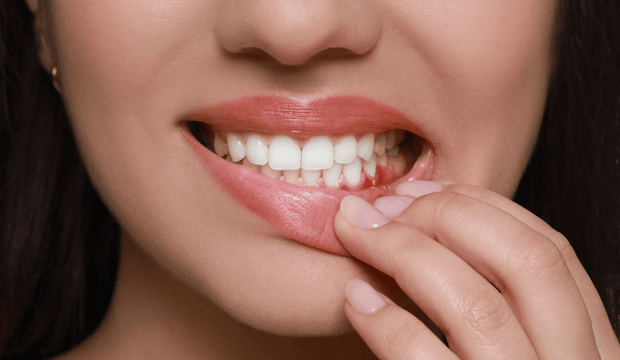
Spotting blood during your oral hygiene routine is a red flag that your gums may be inflamed or infected. While many people dismiss it as a minor issue, bleeding gums are often an early warning sign of a more serious oral health condition.
At Dental Krafts, we encourage patients to pay attention to such symptoms and take proactive steps toward healthier gums.
For care at our Sacramento office, see our information on dental hygiene visits.
What Does It Mean If Your Gums Bleed?
Repeated gum bleeding deserves an examination. Gum inflammation is one possible cause; brushing trauma, medicines and other conditions can also contribute. Do not diagnose the cause from bleeding alone or stop prescribed medicines without advice.
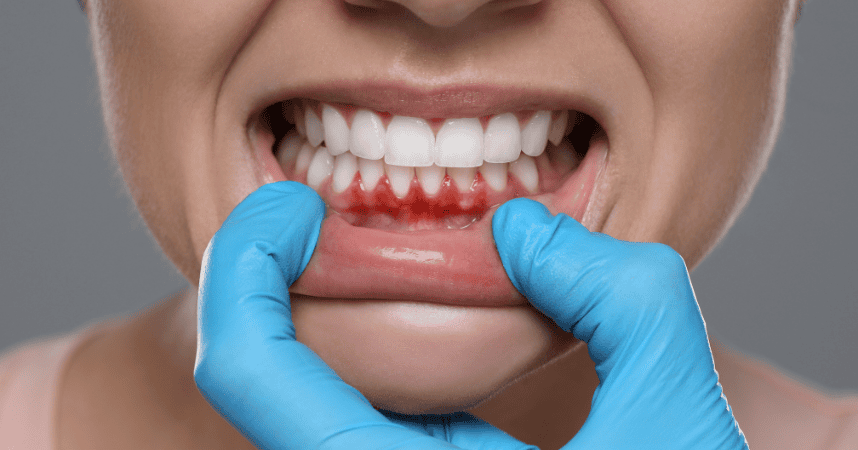
Common Causes of Bleeding Gums
Here are some of the most frequent causes of bleeding gums:
Poor oral hygiene: When plaque is not removed regularly, it hardens into tartar, which irritates and inflames the gum tissue.
Aggressive brushing: Brushing with excessive pressure or using hard-bristled brushes can damage gum tissue.
Vitamin deficiencies: Low levels of vitamin C or vitamin K can lead to weakened gum tissue and increased bleeding.
Medications: Blood thinners and some other prescription drugs can increase the likelihood of gum bleeding.
Hormonal fluctuations: Pregnancy, menstruation, or menopause can make the gums more sensitive, increasing the likelihood of bleeding.
Systemic health conditions: Diseases like diabetes, leukemia, or other blood disorders can weaken your immune system and compromise gum health.
Signs That Accompany Gum Bleeding
Bleeding gums are usually a warning sign and may come with additional symptoms that require attention. These may include:
1. Swelling or redness around the gumline
2. Persistent bad breath (halitosis)
3. Gums that pull away from the teeth
4. Tooth sensitivity or mobility
5. Pain while chewing
If you’re experiencing any combination of these symptoms, it’s essential to seek dental evaluation right away.
Impact of Gum Health on Overall Wellness
Gum disease and several systemic conditions are associated, but association does not prove that one caused the other. Caring for your gums is important for oral health. See the ADA’s oral-systemic health review.
For more insights, the American Dental Association provides evidence-based guidance on gum health.
How to Treat Bleeding Gums Effectively

Treatment depends on the diagnosis. Gentle daily cleaning and professional plaque and tartar removal may help with gingivitis. Periodontitis can require scaling and root planing or further treatment. See NIDCR’s gum-disease guidance.
Home Remedies and Preventive Tips
Alongside professional treatment, there are several ways to care for your gums at home:
Rinsing with warm saltwater can help calm irritated gums and support the healing process.
Eat a diet rich in leafy greens, citrus fruits, and vegetables to boost your intake of vitamins C and K.
Give up smoking, as tobacco use significantly increases the risk of gum disease and can lead to frequent gum bleeding.
If regular flossing feels too abrasive, consider using a water flosser as a gentler alternative for cleaning between your teeth.
Limit sugary snacks and acidic beverages, as they contribute to plaque formation.
Consistent habits go a long way in keeping your gums healthy.
Bleeding Gums in Children and Teens


Many parents worry when they notice bleeding gums in their children. In most cases, the cause is poor brushing habits or new braces, which can irritate the gums.
Persistent bleeding in a child needs a dental examination. A general dentist can assess the child and arrange specialist care when appropriate.
Discover some expert dental care tips for children to help your child build strong oral habits.
How Often Should You Visit the Dentist?
Arrange an examination for ongoing bleeding. After assessment, agree on follow-up intervals suited to your gum health and treatment needs.

Final Thoughts
While bleeding gums might appear to be a minor concern, they could actually indicate deeper underlying oral health issues. Whether it’s due to poor brushing habits, health conditions, or nutrient deficiencies, the key to healthy gums lies in early detection and consistent care.