
How to Treat Sensitive Teeth

This article explains the causes behind sensitive teeth, signs to watch for, and how to find lasting relief through daily habits and dental care.
What Triggers Tooth Sensitivity?
Other common causes include gum recession, where the soft tissue pulls back and exposes the tooth root, and teeth grinding, which can wear down enamel over time. Acidic foods, aggressive brushing, and even recent dental treatments like whitening may also contribute.
Recognizing the Signs
For some people, simple actions like brushing or inhaling cold air can cause sudden discomfort. If left untreated, the sensitivity might get worse and interfere with your daily routines.
Dental Evaluation and Diagnosis
Home Care for Sensitive Teeth
Make sure you’re brushing twice a day, using light pressure, and not scrubbing your gums. Use gentle flossing techniques to clear away plaque and food debris while keeping your gums from becoming irritated.
Professional Treatments
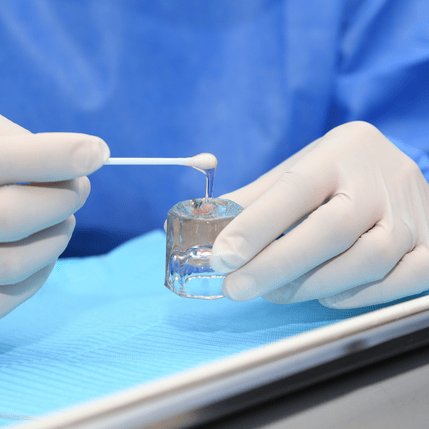
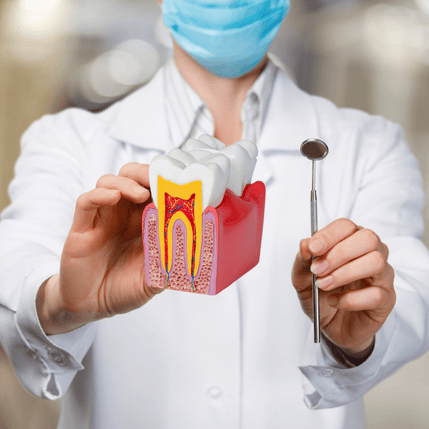
- Fluoride applications to reinforce enamel and lower nerve sensitivity.
- Bonding agents to cover exposed dentin or root surfaces.
- If sensitivity is caused by advanced gum recession, surgical gum procedures may be necessary.
- In cases where the tooth’s nerve is badly exposed or damaged, a root canal might be the most effective solution.
Watch What You Eat
Try drinking water after meals to wash away food acids, and opt for dairy or fibrous vegetables that help clean your teeth naturally.
Protect Your Smile at Night

Wearing a nightguard can prevent further damage and reduce morning sensitivity. Custom guards fitted by your dentist are more effective and comfortable than over-the-counter options.
Maintaining Oral Health
Don’t skip regular dental checkups—your dentist can catch early signs of enamel erosion or gum problems and provide preventive care before the pain returns.
Also, quit smoking if you haven’t already as It plays a role in the development of gum disease, which often leads to tooth sensitivity.
When to Call the Dentist
Acting early can save you from complex procedures and unnecessary pain down the road.
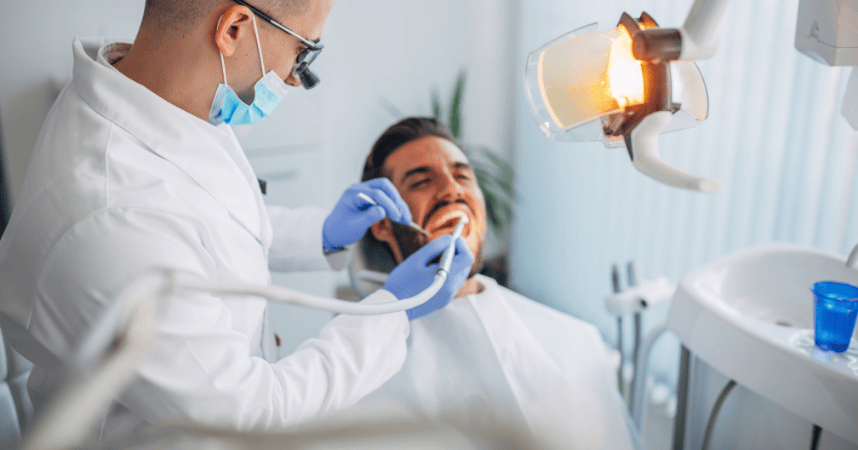
If you’re dealing with ongoing sensitivity, Dental Krafts offers customized care to help restore comfort and confidence in your smile. Learn more about our dental services.
FAQs About Sensitive Teeth
Sudden tooth sensitivity can result from enamel erosion, gum recession, or recent dental work. It may also be triggered by habits like grinding teeth, eating acidic foods, or using whitening products.
Yes, in many cases, sensitivity is temporary and can improve with proper care. Using desensitizing toothpaste, avoiding acidic foods, and maintaining good oral hygiene can help reverse mild sensitivity. However, more severe cases may require dental treatment.
Treatment depends on the cause. Basic steps include switching to toothpaste for sensitive teeth, using a soft-bristled brush, and avoiding acidic or cold foods. For advanced cases, dental professionals may recommend fluoride treatments, bonding, or even a root canal.
Not always. While cavities can cause sensitivity, not all tooth sensitivity is related to decay. Enamel thinning, exposed roots, and gum recession are also common causes. A dental exam will help determine whether a cavity is the culprit.
Symptoms may improve when the cause is addressed, but enamel lost through erosion does not grow back. See ADA guidance on sensitive teeth.