
10 Dental Hygiene Tips for a Lifetime of Healthy Teeth
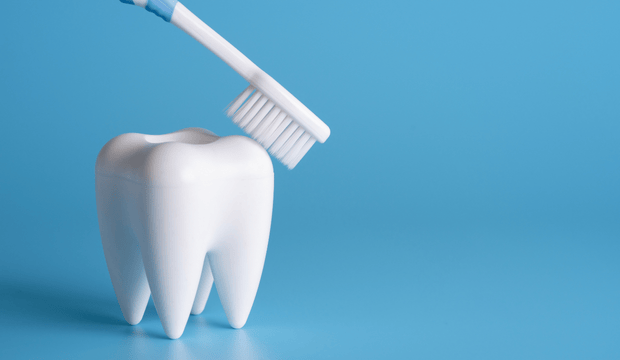
Dental hygiene plays a crucial role in maintaining not only your oral health but also your overall well-being. Practicing good dental hygiene helps prevent common dental issues like cavities, gum disease, and bad breath. More importantly, it supports the long-term health of your teeth and gums, reducing the risk of serious problems that could impact your daily life.
In this comprehensive guide, we’ll explore ten practical and effective dental hygiene tips that can help you keep your teeth healthy for a lifetime.
In this comprehensive guide, we’ll explore ten practical and effective dental hygiene tips that can help you keep your teeth healthy for a lifetime.
1. Brush Your Teeth Twice Daily
Brushing your teeth twice a day—once in the morning and again before bed—is a fundamental step toward maintaining healthy teeth and gums. Use a soft-bristled toothbrush paired with fluoride toothpaste to thoroughly clean all surfaces of your teeth: the front, back, and chewing areas.
Aim to brush for a full two minutes, using gentle and circular motions to protect your gums from irritation.
Aim to brush for a full two minutes, using gentle and circular motions to protect your gums from irritation.

2. Don’t Forget to Floss Daily
While brushing gets most of the attention, flossing is equally important for a healthy mouth. Floss reaches the tight spaces between your teeth and beneath the gumline—areas your toothbrush simply can’t clean. By flossing daily, you remove plaque and trapped food particles, helping to prevent tooth decay and gum disease.
To floss effectively, use about 18 inches of dental floss, wrapping it around your fingers for control. Gently guide the floss between your teeth and curve it into a C-shape against each tooth.
To floss effectively, use about 18 inches of dental floss, wrapping it around your fingers for control. Gently guide the floss between your teeth and curve it into a C-shape against each tooth.
3. Use Mouthwash for Added Protection
While brushing and flossing form the core of your dental hygiene routine, mouthwash can offer added protection. Antimicrobial and fluoride rinses help kill bacteria, reduce plaque, and strengthen enamel.
Ask your dentist whether a rinse would help and look for the ADA Seal of Acceptance. Follow that product’s directions; rinse types and timing differ. Mouthrinse does not replace brushing or cleaning between teeth. See ADA mouthrinse guidance.
Ask your dentist whether a rinse would help and look for the ADA Seal of Acceptance. Follow that product’s directions; rinse types and timing differ. Mouthrinse does not replace brushing or cleaning between teeth. See ADA mouthrinse guidance.
4. Eat a Balanced Diet Rich in Nutrients
What you eat directly affects your dental health. Consuming a balanced diet rich in calcium, phosphorus, vitamin D, and other essential nutrients helps strengthen your teeth and gums. Dairy products, leafy greens, nuts, and lean proteins support oral health.
Limit sugary foods and beverages, which contribute to the growth of plaque and increase your risk of cavities. Acidic foods like citrus fruits and sodas can erode enamel over time. Drink plenty of water to wash away germs from food particles and maintain a healthy pH level in your mouth.
Limit sugary foods and beverages, which contribute to the growth of plaque and increase your risk of cavities. Acidic foods like citrus fruits and sodas can erode enamel over time. Drink plenty of water to wash away germs from food particles and maintain a healthy pH level in your mouth.
5. Replace Your Toothbrush Every 3–4 Months
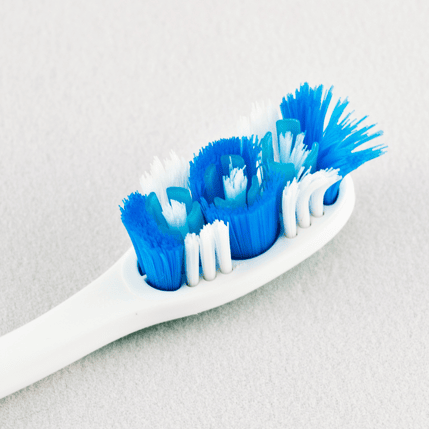
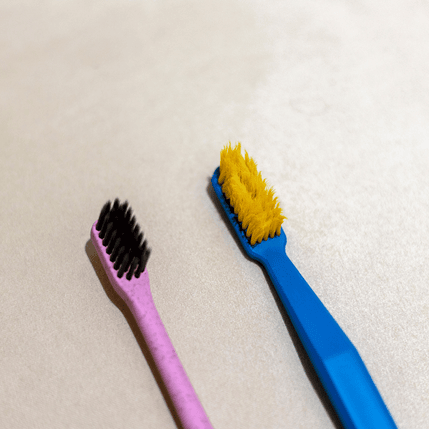
Toothbrush bristles wear out with regular use, reducing their cleaning effectiveness over time. Worn or frayed bristles are unable to clean your teeth thoroughly and might even cause gum irritation. Dentists recommend replacing your toothbrush every three to four months—or sooner if the bristles are worn out.
Rinse the brush after use, let it air-dry upright and do not share it. See ADA toothbrush guidance.
Rinse the brush after use, let it air-dry upright and do not share it. See ADA toothbrush guidance.
6. Visit Your Dentist Regularly
Routine dental checkups are Important to keep your dental hygiene in good condition. These visits allow dentists to spot potential issues early, carry out thorough cleanings to remove hardened plaque (tartar), and provide tailored guidance to improve your daily dental care.
Agree on a recall interval with your dentist based on your oral health and risk of disease.
Agree on a recall interval with your dentist based on your oral health and risk of disease.
7. Avoid Tobacco Products
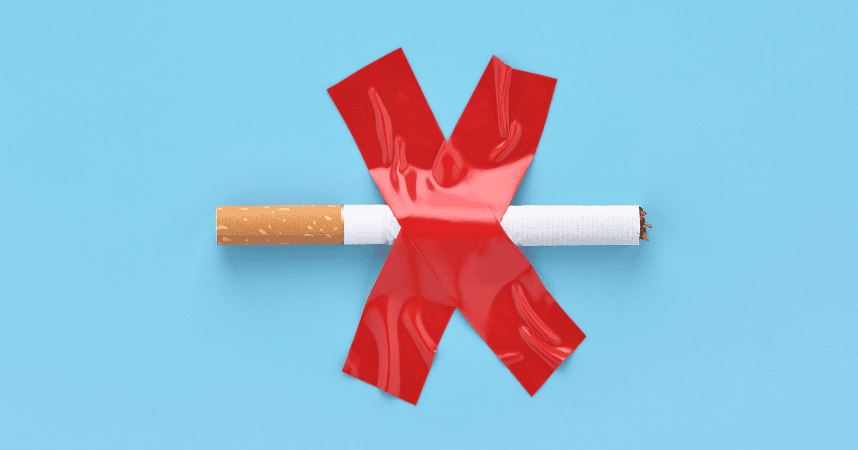
Using tobacco in any form—whether smoking or chewing—has a detrimental impact on your oral health. Tobacco use is a leading cause of gum disease, tooth discoloration, bad breath, and oral cancer.
Quitting tobacco can significantly improve your dental health and reduce your risk of serious health conditions. Talk to your healthcare provider about resources and support for quitting.
Quitting tobacco can significantly improve your dental health and reduce your risk of serious health conditions. Talk to your healthcare provider about resources and support for quitting.
8. Drink More Water Throughout the Day
Water is a natural cleanser that aids in maintaining oral health. It helps wash away food particles and bacteria, keeps your mouth hydrated, and promotes saliva production. Saliva neutralizes acids and contains minerals that protect tooth enamel.
After meals or snacks, especially when brushing isn’t possible, rinse your mouth with water to help clean your teeth.
After meals or snacks, especially when brushing isn’t possible, rinse your mouth with water to help clean your teeth.
9. Use Dental Tools Correctly
Make sure you’re using dental tools—like toothbrushes, floss, and mouthwash—correctly. Improper technique can lead to gum damage, incomplete cleaning, or even worsening of dental problems.
For instance, brushing too hard can cause gum recession, and flossing incorrectly can damage your gums. If you’re not confident in your brushing or flossing technique, don’t hesitate to ask your dentist or hygienist to show you the right way.
For instance, brushing too hard can cause gum recession, and flossing incorrectly can damage your gums. If you’re not confident in your brushing or flossing technique, don’t hesitate to ask your dentist or hygienist to show you the right way.

10. Protect Your Teeth During Sports and Sleep
If you participate in sports, especially contact sports, wear a mouthguard to protect your teeth from injury. Custom-fit mouthguards offer better comfort and protection than over-the-counter versions.
For individuals who grind their teeth at night—a condition known as bruxism—wearing a night guard can help prevent enamel wear, jaw pain, and tooth sensitivity.
For individuals who grind their teeth at night—a condition known as bruxism—wearing a night guard can help prevent enamel wear, jaw pain, and tooth sensitivity.
Final Thoughts
A Better oral health requires consistent care throughout your life. By incorporating these ten dental hygiene tips into your daily routine, you can protect your smile, prevent costly dental procedures, and support your overall well-being. Good dental habits, when practiced consistently, lead to long-term benefits not only for your teeth but for your confidence and health.
A healthier smile begins with better dental habits—start today with Dental Krafts!
A healthier smile begins with better dental habits—start today with Dental Krafts!