
Full-Mouth Dental Implants: An In-Depth Patient Guide
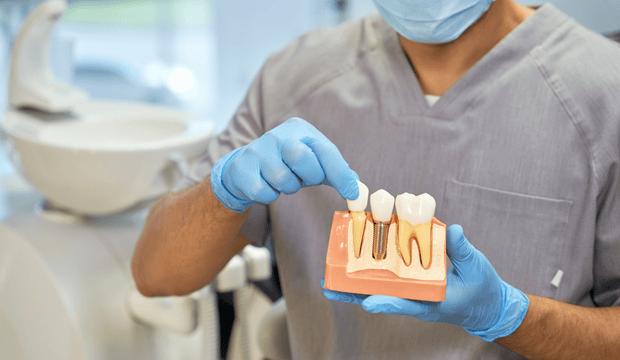
Full-mouth implant treatment replaces most or all missing teeth using implants that support a fixed restoration or a removable denture. This guide covers treatment options, planning, costs and maintenance. Suitability and outcomes vary; implants and restorations can need repairs or replacement.
What Are Full Mouth Dental Implants?
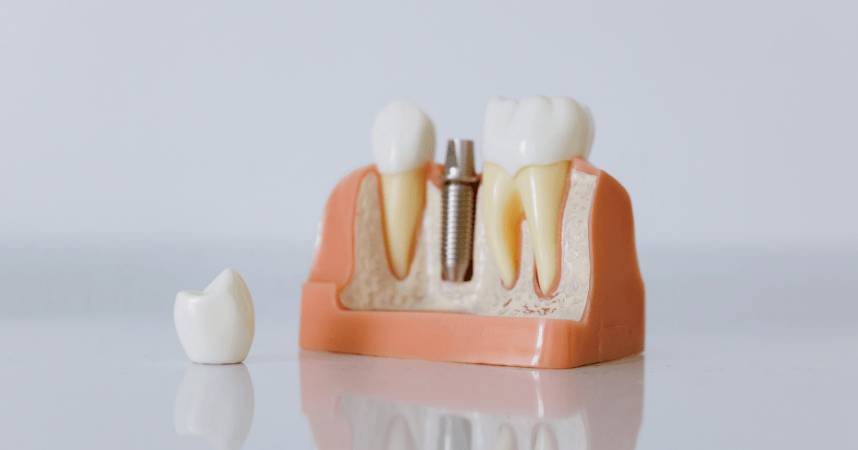
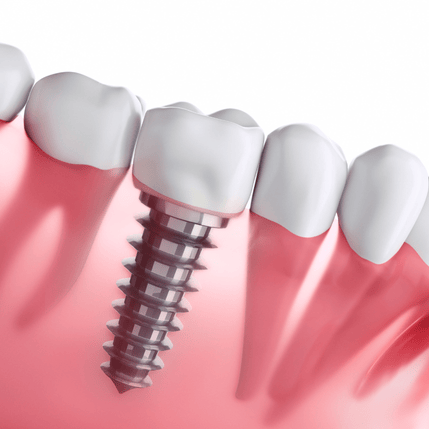
This technique not only preserves jawbone density but also ensures a stable, long-lasting fit compared to traditional dentures. Unlike removable dentures that may slip or cause discomfort, implant-supported prosthetics are fixed and feel like natural teeth. The implants act as artificial roots, integrating with the jawbone to maintain its volume and strength over time.
Why Choose Full Mouth Implants Over Dentures?
While traditional dentures rest on the gums and can slip or shift, implants are anchored into the jawbone. This leads to:
- Better chewing efficiency
- Improved speech clarity
- Greater long-term comfort
- Enhanced facial structure support
- Prevention of bone loss
Patients in Sacramento often opt for implants to avoid the hassle of adhesives or frequent adjustments. Additionally, dentures don’t stop the deterioration of the jawbone and require extra maintenance. Bone loss over time may result in a sunken face. Full mouth implants help retain the shape and appearance of the face, contributing to a more youthful look.
Types of Full Mouth Dental Implants
Options include fixed full-arch restorations supported by a planned number of implants and removable implant-retained dentures. A four-implant approach is not suitable for everyone and does not guarantee that grafting can be avoided. Same-day temporary teeth may be possible in selected cases; other patients need a staged healing plan.
Procedure Overview
The journey begins with Initial Consultation:
- Digital scans and X-rays
- Oral health assessment
- Bone density evaluation
- Discussion of aesthetic goals and expectations
Step-by-Step Treatment Plan :
1. Tooth Extractions (if needed)
2. Bone Grafting or Sinus Lifts (to enhance bone volume if necessary)
3. Implant Placement Surgery (using local or general anesthesia)
4. Temporary Dentures/Prosthesis (to maintain aesthetics)
5. Permanent Prosthesis Placement (once healing is complete)
What Determines the Cost of Full-Mouth Implant Treatment?

Request a written estimate that distinguishes each arch and includes imaging, extractions or grafting when needed, implants, temporary and final teeth, sedation if planned, follow-up and maintenance. Insurance coverage varies by plan and procedure. Dental Krafts offers Cherry and CareCredit financing, subject to provider approval and terms.
Are You a Good Candidate?
Ideal candidates for full mouth implants:
- Have significant tooth loss or decay
- Have adequate jawbone density (or are open to grafting)
- Are in good general health
A consultation with a best dental implant specialist in Sacramento is the first step. The dentist will also evaluate lifestyle factors such as bruxism (teeth grinding) and medical history.
How Long Do They Last?

Longevity varies. Implants and the attached teeth need daily cleaning, professional monitoring and sometimes repairs or replacement. Follow your individualized maintenance plan and report pain or looseness promptly.
Risks and Complications
These risks are minimized by choosing an experienced dental implant clinic.
How to Choose the Right Implant Dentist in Sacramento
Not all dental clinics are equally experienced in handling full mouth reconstructions. Look for:
- Board-certified prosthodontists or oral surgeons
- Verified patient reviews
- Transparent pricing and financing plans
Schedule a consultation to ask about case studies, before-and-after photos, and long-term outcomes.

FAQs About Full Mouth Dental implants
Will treatment hurt? Anesthesia and, when appropriate, sedation are planned for comfort. Discomfort and recovery vary; ask about your pain-control plan.
When can I eat normally? Follow your clinician’s diet and chewing instructions through healing and after the final restoration.
What will it cost? A full-arch or full-mouth plan needs its own written estimate. A single-implant promotion is not a full-mouth price.
Final Thoughts
Full mouth dental implants offer a transformative solution for people who suffer from widespread tooth loss. Whether you’re looking to restore your smile or improve your oral health, this procedure can enhance your quality of life for decades to come.
For trusted dental care and more expert tips on dental implants, visit Dental Krafts – your family’s dental health partner