
Sedation and Anesthesia in Dental Treatments: Your Guide to Comfortable and Anxiety-Free Dentistry
Sedation can help some patients tolerate dental treatment. Local anesthesia numbs the treatment area; sedation changes alertness and anxiety. This guide introduces options and questions to discuss with your dental team. The plan depends on your health, the procedure and the clinician’s assessment. No approach is risk-free.
What Is the Difference Between Dental Sedation and Anesthesia?
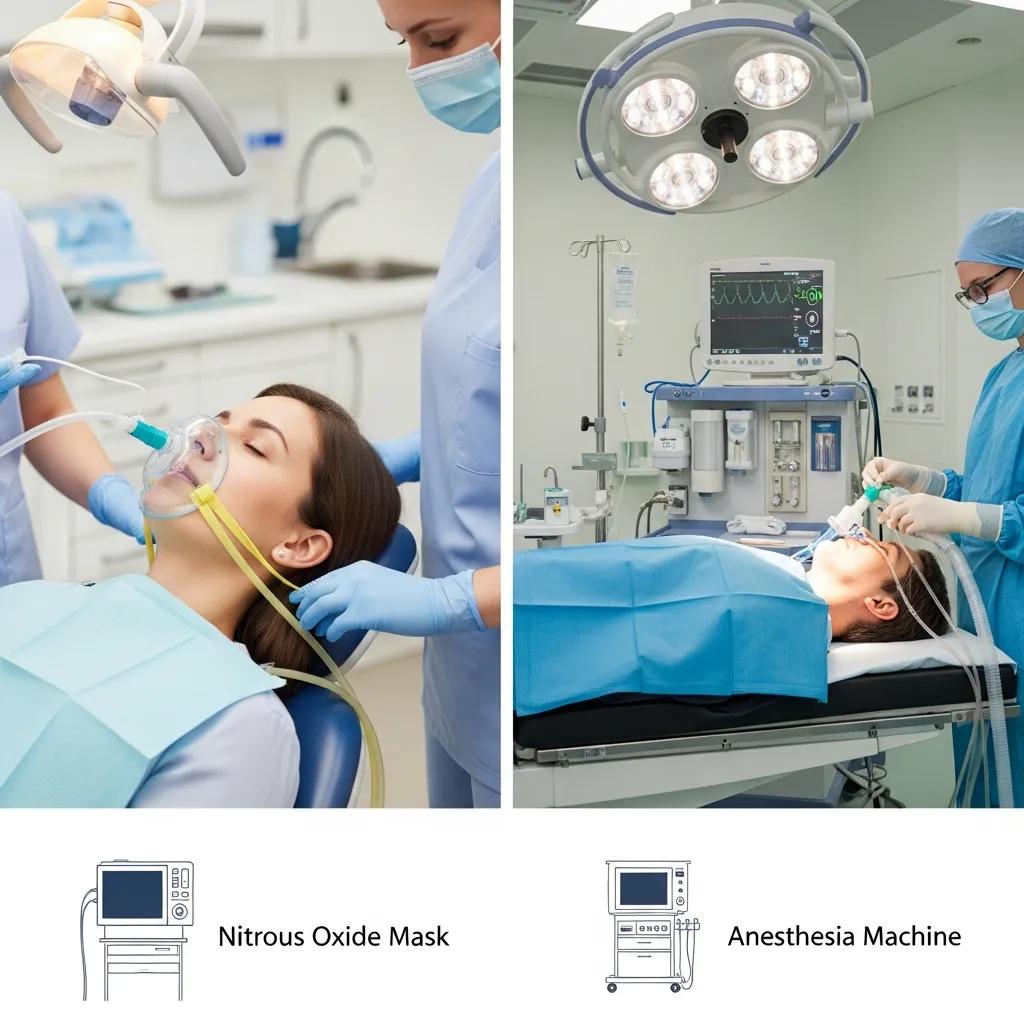
Dental sedation and anesthesia both control discomfort, but they differ in depth of consciousness and primary purpose. Sedation reduces anxiety and can range from minimal relaxation to deep sedation where responsiveness is reduced; anesthesia specifically blocks sensation at the local site or induces unconsciousness with general anesthesia for surgical procedures. Sedation is typically used to manage anxiety and improve tolerance during dental care, while anesthesia is chosen to eliminate pain during invasive or extensive surgery. Understanding these distinctions helps patients and clinicians match the technique to the procedure and patient health status. The next subsection explains how sedation specifically reduces anxiety and pain and improves the patient experience.
How Does Sedation Dentistry Help Manage Dental Anxiety and Pain?
Sedation may reduce anxiety and help patients tolerate care. It does not necessarily replace local anesthesia for pain control. Discuss expected awareness, comfort and recovery with your clinician.
When Is Intravenous Moderate Sedation Used in Dental Procedures?
IV moderate sedation aims to reduce anxiety while preserving purposeful responses to verbal or gentle tactile stimulation. Sedation can deepen unexpectedly, so the team must be prepared to manage breathing and rescue a patient from a deeper level. Medication choice and recovery vary.
What Are the Main Types of Dental Sedation and Anesthesia?
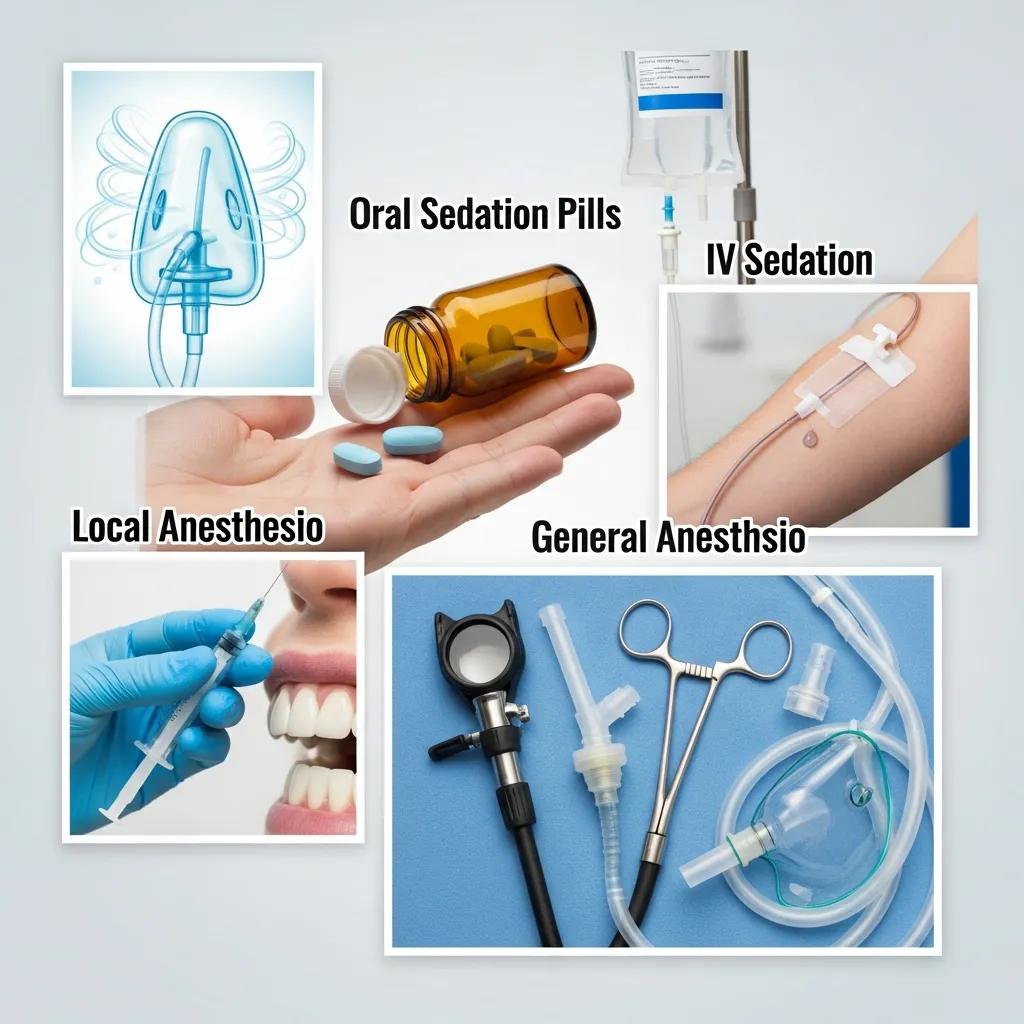
Options include local anesthesia, inhaled nitrous oxide, oral medicines, IV sedation and general anesthesia. The route of administration alone does not determine sedation depth. This overview does not mean every option is offered or suitable at Dental Krafts.
How Does Nitrous Oxide Sedation Work for Relaxed Dental Procedures?
Nitrous oxide is inhaled through a mask and may help with anxiety. Ask about its suitability, monitoring and recovery requirements, especially when combined with other medicines.
What Should You Know About Oral Sedation Dentistry and Its Medications?
Oral sedation uses prescribed medicines. Effects and duration vary, and a tablet does not guarantee a particular sedation level or complete amnesia. Follow the clinician’s specific instructions about medicines, eating, drinking and an escort.
How Is IV Sedation Administered for Deep Relaxation During Dental Work?
IV medication can be adjusted during treatment. Ask who will administer sedation and monitor you, what level is intended, and how emergencies and recovery are managed.
Read the ADA’s patient introduction to anesthesia and sedation.
What Are the Benefits and Uses of Local Anesthesia in Dentistry?
Local anesthesia—agents like lidocaine or articaine—blocks nerve conduction at the site of treatment to eliminate pain while the patient remains conscious, and it is the foundation of pain control in most dental procedures. Local anesthetics are rapidly effective, can be combined with sedation for both comfort and analgesia, and generally have predictable onset and duration that clinicians tailor to the procedure. Allergic reactions are rare but must be screened for, and clinicians select agents and techniques to minimize systemic absorption and toxicity. Combining local anesthesia with appropriate sedation often produces the best balance of safety, pain control, and patient cooperation for many restorative, endodontic, and surgical treatments.
Different sedation and anesthesia types vary by route, onset, duration, monitoring, and typical side effects. The table below summarizes these characteristics for quick comparison.
Different sedation and anesthesia methods have distinct monitoring needs and recovery expectations.
This comparison clarifies how route and monitoring affect choice of method and recovery planning.
Who Is a Candidate for Sedation or Anesthesia in Dental Treatments?
Candidates for sedation or anesthesia are identified by a combination of medical history, procedure complexity, behavioral factors, and age-related considerations. Medical conditions such as severe anxiety or phobia, certain cardiovascular or neurologic issues, and complex surgical needs can make sedation or general anesthesia appropriate; conversely, conditions that increase anesthetic risk require tailored planning and consultation. Behavioral indicators—uncontrolled gag reflex, inability to cooperate, or developmental disabilities—also influence candidacy for sedation approaches. The following subsections list common condition-procedure pairings and pediatric/special-needs considerations to guide decision-making.
Which Medical Conditions and Dental Procedures Require Sedation?
Implants, extractions and grafting do not automatically require sedation. Discuss local anesthesia, sedation and any referral needs after an individual assessment.
How Does Sedation Dentistry Support Children and Special Needs Patients?
For pediatric patients and individuals with developmental or behavioral challenges, sedation or general anesthesia can enable necessary dental care that would otherwise be impossible due to fear, limited cooperation, or medical comorbidities. Pediatric sedation protocols follow age-appropriate dosing, parental consent, and close monitoring with adherence to pediatric guidelines from professional organizations; sedation in these populations often emphasizes rapid recovery and airway protection. Caregivers receive detailed pre-visit instructions and post-operative monitoring plans to ensure safety at home after discharge. Specialized training and experience in pediatric and special-needs dentistry improve outcomes and reduce perioperative stress for both patients and families.
What Are the Benefits and Safety Considerations of Sedation Dentistry?
Sedation dentistry offers tangible benefits: reduced anxiety, improved procedural tolerance, ability to complete multiple treatments in one visit, and enhanced patient satisfaction and clinical efficiency. These benefits must be balanced with safety protocols—patient screening, informed consent, continuous monitoring, and staff trained in airway management—to minimize risk and ensure prompt response to adverse events. Transparent discussions about potential side effects (drowsiness, nausea), rare complications, and emergency preparedness build trust and help patients make informed choices. The next subsections outline practical patient-centered benefits followed by the specific safety systems that minimize risk during sedation.
How Does Sedation Improve Patient Comfort and Treatment Efficiency?
Sedation may make care more tolerable, but it does not guarantee fewer visits, absence of memories or better long-term outcomes. Agree on realistic expectations before treatment.
What Safety Protocols Ensure Risk Minimization During Sedation?
Safety measures reduce risk; they cannot eliminate it. For moderate sedation, current ADA guidance includes monitoring responsiveness, oxygenation, breathing and circulation, including end-tidal carbon dioxide and ECG unless specified circumstances preclude or invalidate them. Recovery assessment, emergency equipment, trained personnel and documented discharge criteria are also necessary. See the ADA sedation guidelines.
An individual assessment determines the appropriate setting and level of sedation; no single technique is best for every patient.
- Reduced Anxiety: Sedation lowers fear and physiological stress during dental procedures.
- Improved Procedure Tolerance: Patients tolerate longer or more invasive treatments.
- Efficiency Gains: Multiple procedures can be completed in fewer visits.
- Safety Measures: Pre-op screening, monitoring, and trained staff minimize risk.
How Should Patients Prepare for Sedation and What Are the Aftercare Instructions?
Preparation and aftercare are essential components of safe sedation: clear pre-appointment fasting rules, medication guidance, and escort arrangements reduce perioperative risks, while structured post-sedation care ensures recovery and early identification of complications. Type-specific checklists help patients meet requirements for nitrous oxide, oral, IV, and general anesthesia and clarify what to expect immediately after treatment. The following subsections provide concise pre-appointment instructions by sedation type and a timeline for post-sedation recovery and warning signs that require prompt contact with the dental team.
What Are the Pre-Appointment Instructions for Different Sedation Types?
Pre-appointment instructions vary by modality but commonly include fasting for a specified time before IV or general anesthesia, withholding certain medications or adjusting doses after clinician review, and arranging a responsible adult to escort the patient home when sedation affects alertness. For nitrous oxide, light meals are often allowed and recovery is rapid; for oral and IV sedation, patients should avoid driving and plan for 24-hour reduced activity. Accurate medication lists and disclosure of alcohol, recreational drug use, and sleep apnea history are essential to prevent interactions and airway complications. Clear logistics and expectations reduce day-of-procedure anxiety and help clinicians provide safe care.
Ask the team to confirm the instructions that apply to your appointment.
This table condenses pre-visit steps to help patients prepare appropriately for each modality.
What Post-Sedation Care Is Recommended for a Safe Recovery?
Post-sedation care emphasizes observation until stable, gradual resumption of fluids and light foods, avoidance of driving or operating machinery for the specified period, and clear instructions about medications and signs of complications such as prolonged vomiting, uncontrolled bleeding, or other concerning symptoms. Difficulty breathing or inability to wake normally requires emergency help (911). Recovery timelines vary: nitrous oxide recovery is rapid and patients often resume normal activities quickly, while oral and IV sedation may require several hours of supervision and restriction on strenuous activity for 24 hours. Caregivers should monitor responsiveness, hydration, and wound sites and contact the dental team if concerning symptoms arise. A brief timeline—immediate (0–2 hours), short-term (24 hours), and near-term (72 hours)—helps set realistic expectations for recovery.
What Are the Most Common Questions About Sedation and Anesthesia in Dentistry?
The following questions can help you discuss sedation with your dental team.
Is Dental Sedation Safe for All Patients?
Dental sedation is generally safe when individualized to the patient and administered by appropriately trained clinicians using established monitoring protocols; however, not every patient is a candidate for every sedation level, and certain medical conditions or medication interactions require modified approaches or alternative plans. Safety depends on thorough preoperative screening, adherence to fasting and medication guidance, appropriate monitoring devices, and staff trained in airway and emergency management. Patients with complex medical histories may require consultation with their physician or an anesthesiologist to optimize safety. Open communication about health history and current medications is essential to reduce risk.
What Is Intravenous Moderate Sedation and How Does It Benefit Dental Patients?
IV moderate sedation delivers medication through a vein to reduce anxiety. Expected awareness, risks and recovery should be discussed beforehand; responsiveness does not remove the need for continuous monitoring.
- If you are considering sedation: Ask your dental team about options, monitoring, and recovery expectations.
- Prepare for your visit: Follow pre-appointment instructions and arrange a responsible escort if required.
- Discuss medical history: Provide a complete medication list and disclose respiratory or other relevant health issues.
To take next steps, explore oral and IV sedation at Dental Krafts, then request a pre-operative consultation to review options, discuss individualized risks and benefits, and arrange any necessary assessments or clearance.
This article covered definitions, types, candidate criteria, benefits, safety protocols, preparation checklists, and common patient questions to help you make informed decisions and feel confident discussing sedation and anesthesia for dental care.