
Experience a pain-free dental visit with our comprehensive guide on sedation and anesthesia techniques. Learn how they ensure comfort during treatments today!

Experience a pain-free dental visit with our comprehensive guide on sedation and anesthesia techniques. Learn how they ensure comfort during treatments today!
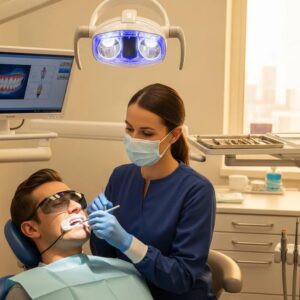
Unlock the radiant smile with in-office whitening treatments. Experience stunning results that enhance confidence and improve oral aesthetics in just one visit.
Get weekly health information and advice from our experts.
Quick Links
Services
Areas We Serve
Contact info
Open hours
Sedation dentistry is a specialized area of dental care that focuses on alleviating anxiety and discomfort during dental procedures. By utilizing various sedation techniques, patients can undergo treatments without the stress or fear typically associated with dental visits.
There are several types of sedation options available, including nitrous oxide (laughing gas), oral sedation, and IV sedation. Each method caters to different levels of anxiety and treatment complexity, ensuring that patients receive the most comfortable experience tailored to their needs.
Stress-free dental treatments offer numerous benefits, primarily enhancing the overall patient experience. By minimizing discomfort and anxiety, these treatments encourage patients to seek regular dental care, which is crucial for maintaining oral health.
Additionally, stress-free options can lead to quicker recovery times and improved treatment outcomes. Patients are more likely to adhere to post-treatment care instructions when they feel relaxed and at ease during their procedures.
Many patients harbor misconceptions about dental sedation, often fearing it may be unsafe or unnecessary. Understanding these myths is essential for making informed decisions regarding dental care.
For instance, a common myth is that sedation is only for invasive procedures. In reality, sedation can be beneficial for routine cleanings and check-ups, particularly for individuals with dental anxiety. Educating patients on these myths can help them feel more comfortable discussing sedation options with their dentist.
Selecting the appropriate sedation technique depends on various factors, including the patient's level of anxiety, the complexity of the procedure, and any pre-existing health conditions. A thorough consultation with your dentist can help determine the best approach for your specific needs.
For example, patients with mild anxiety may benefit from nitrous oxide, while those with severe dental phobia might find IV sedation more suitable. Understanding these options allows patients to make choices that align with their comfort levels and treatment goals.