Understanding Full Mouth Dental Implants
Full mouth dental implants are a revolutionary solution for individuals suffering from severe tooth loss. Unlike traditional dentures, these implants provide a stable and permanent foundation for replacement teeth, allowing patients to regain their ability to chew, speak, and smile with confidence.
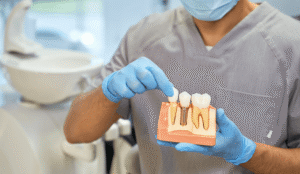
The procedure involves surgically placing titanium posts into the jawbone, which act as artificial tooth roots. Once healed, these posts support custom-made crowns that look and function like natural teeth. This comprehensive approach not only restores aesthetics but also promotes better oral health by preventing bone loss in the jaw.
Benefits of Full Mouth Dental Implants
Choosing full mouth dental implants offers numerous benefits compared to other tooth replacement options. Patients experience improved comfort, enhanced chewing ability, and a boost in self-esteem due to the natural appearance of the implants.
Additionally, full mouth implants can significantly improve the quality of life. They eliminate the need for messy adhesives associated with dentures and provide a long-lasting solution that can last for decades with proper care. Many patients report that their overall satisfaction with their dental health increases dramatically after the procedure.
The Full Mouth Dental Implant Procedure
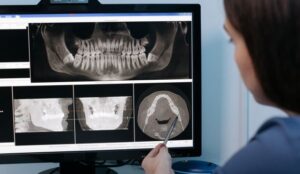
The process of getting full mouth dental implants typically involves several key steps, starting with a comprehensive dental examination and imaging to assess bone density and overall oral health. This initial consultation is crucial for determining the best treatment plan tailored to each patient's needs.
Following the evaluation, the surgical phase begins, where implants are placed into the jawbone. After a healing period, during which the implants fuse with the bone, patients return for the placement of their custom prosthetics. This staged approach ensures optimal results and long-term success.
Success Rates and Longevity of Full Mouth Dental Implants
Full mouth dental implants boast impressive success rates, often reported between 95% and 98% over a period of five to ten years. Factors contributing to this high success rate include proper placement, adherence to post-operative care, and regular dental check-ups.
Moreover, with advancements in dental technology and techniques, many patients enjoy their implants for 20 years or more. Regular maintenance and good oral hygiene practices play a significant role in sustaining the longevity and functionality of the implants, making them a worthwhile investment in one's dental health.