Understanding Dental Implant Procedures
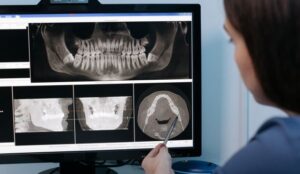
Dental implant procedures can vary based on individual needs, but they generally follow a standard process that includes consultation, implant placement, and restoration. During the initial consultation, the dentist will assess the patient's oral health, discuss treatment options, and create a personalized plan to ensure the best outcomes.
The implant placement involves surgically inserting a titanium post into the jawbone, which acts as a root for the artificial tooth. After the post integrates with the bone, a crown is placed on top, providing a natural appearance and functionality. This multi-step process is designed to ensure long-lasting results and patient satisfaction.
Benefits of Dental Implants
Dental implants offer numerous benefits compared to traditional dentures and bridges, including improved aesthetics, enhanced comfort, and better oral health. They are designed to look and function like natural teeth, allowing patients to eat, speak, and smile with confidence.
Additionally, dental implants help preserve jawbone structure by preventing bone loss that can occur with missing teeth. This not only maintains facial structure but also contributes to overall oral health, making implants a superior option for tooth replacement.
Post-Operative Care for Dental Implants
After undergoing dental implant surgery, proper post-operative care is crucial for ensuring successful healing and integration of the implant. Patients are advised to follow their dentist's instructions regarding pain management, dietary restrictions, and oral hygiene practices to promote recovery.
Regular follow-up appointments are essential to monitor the healing process and address any concerns. Maintaining good oral hygiene and avoiding hard or sticky foods during the initial healing phase can significantly enhance the longevity of the implants.
Common Concerns About Dental Implants
Many patients have concerns regarding the safety and effectiveness of dental implants, including fears of failure or complications. Understanding these concerns is vital for making informed decisions about treatment. Dental implants have a high success rate, but factors such as smoking, underlying health conditions, and oral hygiene can impact outcomes.
It's important for potential patients to discuss their concerns with their dentist, who can provide tailored advice and reassurance. Addressing these worries upfront can help build trust and confidence in the treatment process, leading to better patient satisfaction.