Understanding Dental Implant Procedures
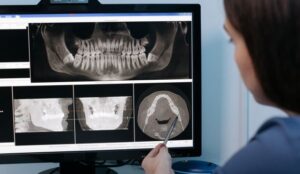
Dental implant procedures involve a series of steps designed to ensure successful placement and integration of the implant into the jawbone. Initially, a thorough examination is conducted, including X-rays and possibly 3D imaging, to assess the condition of the jawbone and to plan the procedure effectively.
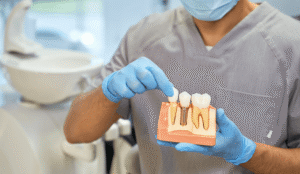
During the procedure, the dentist will place a titanium post into the jawbone, which acts as a root for the artificial tooth. After this, a healing period is necessary for the bone to fuse with the implant, known as osseointegration. This process can take several months, but it is crucial for the long-term success of the implant.
Factors Influencing Dental Implant Success
Several factors can influence the success of dental implants, including the patient's overall health, oral hygiene practices, and lifestyle choices such as smoking. Patients with chronic conditions like diabetes or osteoporosis may face higher risks, making it essential to discuss these factors with a dental professional before proceeding.
Additionally, the quality and quantity of jawbone available for implant placement play a significant role. In cases where the bone is insufficient, procedures such as bone grafting may be recommended to ensure a solid foundation for the implant, ultimately enhancing the chances of success.
Aftercare for Dental Implants
Aftercare is vital for ensuring the longevity of dental implants. Patients are advised to follow their dentist’s instructions closely, which typically include maintaining excellent oral hygiene, avoiding hard foods for a period, and attending regular follow-up appointments to monitor the implant's condition.
Furthermore, lifestyle changes, such as quitting smoking and reducing alcohol consumption, can significantly impact the healing process and overall success of the implants. Regular dental check-ups will help in identifying any potential issues early on, ensuring that the implants remain healthy and functional for years to come.
Cost Considerations for Dental Implants
The cost of dental implants can vary widely based on several factors, including the complexity of the case, the type of implant used, and the geographic location of the dental practice. On average, patients can expect to pay between $3,000 to $4,500 per implant, which typically includes the surgical procedure, the implant itself, and the crown placement.
It's important for patients to consult with their dental provider regarding payment plans and insurance coverage, as many dental insurance plans offer partial coverage for implants. Additionally, financing options may be available to help manage the costs associated with obtaining dental implants.