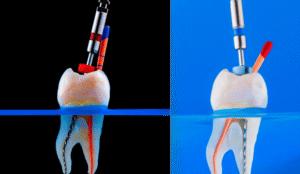
Understanding Tooth Pain: Common Causes and Symptoms
Tooth pain can arise from various underlying issues, including cavities, gum disease, and tooth fractures. Recognizing the symptoms associated with these conditions is crucial for timely intervention.
Common symptoms of tooth pain include sharp or throbbing sensations, sensitivity to hot or cold, and swelling in the gums. For instance, a cavity may cause intermittent pain, while an abscessed tooth could lead to severe, persistent discomfort that requires immediate dental attention.
Effective Home Remedies for Tooth Pain Relief
Before seeking professional dental care, many individuals explore home remedies to alleviate tooth pain. These remedies can provide temporary relief and help manage discomfort until a dental appointment can be scheduled.
Common home remedies include rinsing with warm salt water, applying a cold compress to the cheek, or using over-the-counter pain relievers. Additionally, clove oil has been traditionally used for its natural analgesic properties, offering a soothing effect on painful areas.
When to Seek Professional Dental Help
Knowing when to seek professional help for tooth pain is essential for preventing complications. While minor discomfort can often be managed at home, certain signs indicate the need for immediate dental evaluation.
If tooth pain persists for more than a day, is accompanied by fever, or results in swelling, it is crucial to consult a dentist. Early intervention can prevent further damage and ensure appropriate treatment, such as a root canal or extraction, if necessary.
Preventive Measures to Avoid Tooth Pain
Preventing tooth pain involves maintaining good oral hygiene and regular dental check-ups. Taking proactive steps can significantly reduce the risk of developing dental issues that lead to discomfort.
Brushing twice daily, flossing regularly, and using fluoride toothpaste are fundamental practices. Additionally, routine dental visits for cleanings and check-ups can help identify potential problems early, allowing for timely intervention and care.