Understanding Clear Aligners: Benefits and Considerations
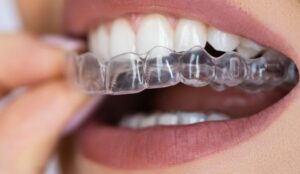
Clear aligners are a popular choice for individuals seeking a discreet way to straighten their teeth. Unlike traditional braces, clear aligners are made from transparent plastic, making them virtually invisible when worn. This aesthetic advantage, combined with the comfort of removable trays, allows patients to maintain their oral hygiene easily while undergoing treatment.
In addition to their cosmetic benefits, clear aligners can also provide effective results for a variety of orthodontic issues, such as crowding, spacing, and bite alignment. Many patients appreciate the convenience of being able to remove their aligners during meals and for brushing and flossing, which can contribute to better oral health throughout the treatment process.
Comparing Clear Aligners to Traditional Braces
When considering options for smile correction, many patients find themselves weighing the pros and cons of clear aligners against traditional braces. Clear aligners offer a level of comfort and flexibility that braces cannot, as they do not involve metal brackets or wires that can irritate the gums and cheeks.
Moreover, the treatment process with clear aligners typically involves fewer visits to the orthodontist compared to traditional braces. Patients can often manage their treatment at home by changing aligners according to a prescribed schedule, which can be more convenient for those with busy lifestyles.
Cost of Clear Aligners: What to Expect
Understanding the cost of clear aligners is crucial for potential patients considering smile correction. The price of treatment can vary based on factors such as the complexity of the case and the specific aligner brand chosen. On average, clear aligner treatment can range from $3,000 to $8,000, which is comparable to traditional braces.
Many dental practices, including Dental Krafts, offer financing options and payment plans to make treatment more accessible. Additionally, it’s important to check with dental insurance providers, as some plans may cover a portion of the costs associated with clear aligner therapy.
Maintaining Your Clear Aligners for Optimal Results
Proper care and maintenance of clear aligners are essential for achieving the best results. Patients should clean their aligners regularly using a soft toothbrush and mild soap to prevent discoloration and buildup of bacteria. It's also advisable to avoid consuming food and beverages other than water while wearing the aligners to maintain their clarity and effectiveness.
In addition to cleaning, wearing the aligners for the recommended 20 to 22 hours a day is crucial to ensure timely progress. Regular check-ins with your dental provider can help monitor the treatment and make any necessary adjustments to the aligner schedule, ensuring that patients stay on track to achieve their desired smile.