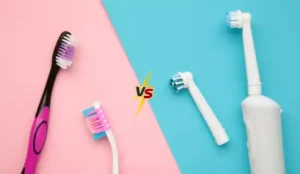
Benefits of Manual Toothbrushes
Manual toothbrushes offer several advantages that contribute to effective oral hygiene. They are typically more affordable than their electric counterparts, making them accessible to a wider range of consumers. Additionally, manual toothbrushes allow users to have more control over their brushing technique, which can lead to better plaque removal and gum health.
Moreover, manual toothbrushes come in various sizes and bristle types, catering to individual preferences and needs. For instance, people with sensitive gums may prefer soft bristles, while those looking for a deeper clean might opt for medium bristles. The simplicity of manual toothbrushes also means they require no batteries or charging, making them convenient for travel and everyday use.
How to Choose the Right Manual Toothbrush
Selecting the right manual toothbrush is essential for maintaining optimal oral health. Factors to consider include the size of the brush head, the type of bristles, and the handle design. A toothbrush with a smaller head may be more effective for reaching difficult areas, while a comfortable grip can enhance the brushing experience.
Additionally, it’s important to replace your toothbrush every three to four months or sooner if the bristles become frayed. This ensures that you are using a tool that effectively cleans your teeth and gums. Consulting with your dentist can also provide personalized recommendations based on your specific dental needs.
Comparing Manual and Electric Toothbrushes
When considering dental hygiene tools, many people find themselves debating between manual and electric toothbrushes. While both types can effectively clean teeth, studies suggest that electric toothbrushes may provide a slight edge in reducing plaque and gingivitis due to their consistent brushing motion.
However, manual toothbrushes remain a popular choice due to their affordability and ease of use. They do not require charging or batteries, making them a practical option for many. Understanding the differences can help consumers make informed decisions based on their personal preferences and lifestyle.
Best Practices for Using a Manual Toothbrush
To maximize the effectiveness of a manual toothbrush, it's crucial to follow best practices during brushing. Dentists recommend brushing at least twice a day for two minutes each time, ensuring that all surfaces of the teeth are cleaned. Using the proper technique, such as holding the brush at a 45-degree angle to the gums, can enhance plaque removal.
Additionally, incorporating fluoride toothpaste can further protect against cavities and strengthen enamel. Regular dental check-ups are also essential to monitor oral health and receive professional advice on maintaining an effective brushing routine.