Understanding Dental Implants
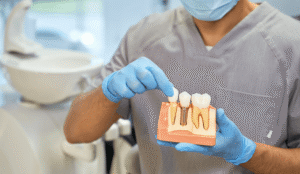
Dental implants are artificial tooth roots designed to provide a permanent base for fixed or removable replacement teeth. They are typically made of titanium, a biocompatible material that integrates well with the jawbone, ensuring stability and longevity. This innovative solution is ideal for individuals who have lost teeth due to injury, periodontal disease, or other reasons.
Patients can benefit from dental implants in various ways, including improved speech, enhanced comfort, and better oral health. Unlike dentures, which can slip and cause discomfort, dental implants function like natural teeth, allowing patients to eat, speak, and smile with confidence. Furthermore, their durability means they can last for many years with proper care.
Factors Influencing Implant Success
The success of dental implants depends on several critical factors, including the patient's overall health, the quality and quantity of jawbone, and adherence to post-operative care. For instance, individuals with chronic conditions such as diabetes may require additional assessments to ensure optimal healing and integration of the implant.
Moreover, lifestyle choices such as smoking can significantly impact the success rates of implants. Studies show that smokers have a higher risk of implant failure due to compromised blood flow and healing. Therefore, discussing these factors with a dental professional is crucial for prospective patients to enhance their chances of a successful outcome.
Types of Dental Implants
There are primarily two types of dental implants: endosteal and subperiosteal. Endosteal implants are surgically placed directly into the jawbone and are the most common type. They can support one or more prosthetic teeth and are suitable for patients with sufficient jawbone density.
On the other hand, subperiosteal implants are placed under the gum but above the jawbone, making them suitable for patients who do not have enough healthy jawbone for endosteal implants. Understanding the differences between these types can help patients make informed decisions about their dental restoration options.
Post-Operative Care for Dental Implants
Post-operative care is essential for ensuring the long-term success of dental implants. Patients are typically advised to follow specific care instructions, including avoiding hard foods and maintaining proper oral hygiene. Regular follow-up visits with the dental provider are also crucial to monitor the healing process and address any potential complications early.
Additionally, patients should be aware of signs of infection or implant failure, such as increased swelling, pain, or unusual discharge. Promptly reporting these symptoms to a dental professional can help mitigate risks and ensure the health and longevity of the implants.