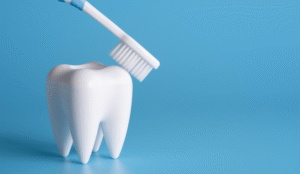
Understanding the Importance of Dental Hygiene
Dental hygiene is essential for maintaining not just a bright smile, but also for preventing a myriad of oral health issues. Regular brushing, flossing, and routine dental check-ups form the foundation of effective dental care, ensuring that plaque and tartar do not accumulate, which can lead to cavities and gum disease.
Incorporating good dental hygiene practices into your daily routine can significantly reduce the risk of dental problems. For instance, brushing twice a day with fluoride toothpaste and flossing daily can help eliminate food particles and plaque. Additionally, visiting a dentist regularly for cleanings and check-ups can catch potential issues early, maintaining your overall oral health.
Common Dental Issues and How to Prevent Them
Understanding common dental issues such as cavities, gum disease, and bad breath is crucial for maintaining healthy teeth. These conditions often arise from neglecting oral hygiene, poor dietary choices, or insufficient dental care. By recognizing the signs of these issues early, individuals can take proactive steps to address them.
Preventive measures include maintaining a balanced diet low in sugary snacks, using mouthwash to reduce bacteria, and ensuring regular dental visits. For example, fluoride treatments can strengthen teeth and help prevent decay, while professional cleanings can remove plaque that regular brushing might miss.
Nutrition's Role in Dental Health
The foods you eat play a significant role in your dental health. A diet rich in vitamins and minerals, particularly calcium and vitamin D, can help strengthen teeth and bones. Foods such as dairy products, leafy greens, and nuts contribute to better oral health and can minimize the risk of tooth decay.
Conversely, sugary and acidic foods can erode enamel and lead to cavities. It's essential to balance your diet with healthy snacks like fruits and vegetables, which not only provide nutrients but also stimulate saliva production, helping to wash away food particles and neutralize acids in the mouth.
Best Practices for At-Home Dental Care
At-home dental care is vital for maintaining oral health between dental visits. Establishing a consistent routine that includes brushing, flossing, and using mouthwash can significantly enhance your dental hygiene. It’s important to use the right techniques while brushing and to replace your toothbrush every three to four months for optimal effectiveness.
In addition to brushing and flossing, consider incorporating dental tools such as interdental brushes or water flossers for a more thorough clean. These tools can help reach areas that traditional brushing might miss, ensuring a comprehensive approach to your dental hygiene routine.