Understanding Full Mouth Dental Implants
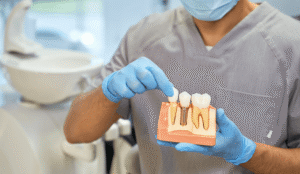
Full mouth dental implants are a transformative solution for individuals who have experienced significant tooth loss. This procedure involves the placement of multiple implants to support a full arch of replacement teeth, providing a stable and functional alternative to traditional dentures.
Patients considering this option often appreciate the benefits of improved aesthetics, enhanced chewing ability, and increased confidence. With advancements in dental technology, the process has become more efficient, and many patients report high satisfaction rates following their treatment.
Benefits of Full Mouth Dental Implants
Full mouth dental implants offer numerous advantages over other dental restoration methods. They provide a permanent solution that mimics the look and function of natural teeth, allowing individuals to eat, speak, and smile without discomfort.
Additionally, implants help preserve jawbone health by preventing bone loss that can occur after tooth loss. This not only maintains facial structure but also contributes to long-term oral health, making implants a wise investment for those seeking lasting results.
What to Expect During the Procedure
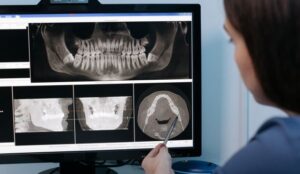
The process of receiving full mouth dental implants typically involves several stages, beginning with a thorough consultation and imaging to assess the patient's oral health. Once deemed suitable, the surgical placement of the implants occurs, followed by a healing period before the final prosthetic teeth are attached.
Patients can expect some discomfort during the recovery phase, but this is usually manageable with prescribed pain relief. Dental professionals will provide detailed aftercare instructions to ensure optimal healing and successful integration of the implants.
Maintenance and Care for Dental Implants
Proper maintenance and care are crucial for the longevity of dental implants. Patients are encouraged to maintain good oral hygiene practices, including regular brushing, flossing, and routine dental check-ups to monitor the health of the implants and surrounding tissues.
In addition, avoiding hard or sticky foods can help prevent complications. With appropriate care, dental implants can last many years, and regular visits to the dentist can help address any issues before they become significant problems.