Benefits of Electric Toothbrushes
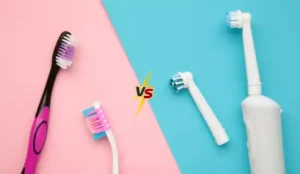
Electric toothbrushes offer numerous advantages over traditional manual toothbrushes, making them a popular choice for effective oral hygiene. They can provide superior plaque removal, thanks to their oscillating and rotating bristle movements, which can reach areas that manual brushing may miss.
Studies have shown that using an electric toothbrush can reduce plaque and gingivitis more effectively than manual brushing. Additionally, many electric toothbrushes come with built-in timers and pressure sensors, ensuring users brush for the recommended two minutes and avoid damaging their gums.
How to Choose the Right Electric Toothbrush
Selecting the right electric toothbrush can significantly impact your dental health. Factors to consider include the type of bristles, the size of the brush head, and additional features such as timers, pressure sensors, and various cleaning modes tailored to individual needs.
For example, those with sensitive gums may benefit from a toothbrush with softer bristles and a gentle cleaning mode, while users looking for a thorough clean might prefer a model with multiple brushing modes and a larger brush head for better coverage. Reading reviews and consulting with dental professionals can also aid in making an informed decision.
Comparing Electric Toothbrush Brands
With numerous brands available, comparing electric toothbrushes can help consumers find the best fit for their oral care routine. Popular brands like Oral-B, Philips Sonicare, and Colgate offer a variety of models with distinct features catering to different preferences and budgets.
For instance, Oral-B toothbrushes are known for their round brush heads and 3D cleaning action, while Philips Sonicare emphasizes sonic technology for effective plaque removal. Evaluating features, price points, and user reviews can assist in making a choice that aligns with individual dental needs.
Tips for Effective Electric Toothbrush Use
To maximize the benefits of an electric toothbrush, proper usage techniques are essential. Users should ensure they cover all areas of the mouth, including the outer, inner, and chewing surfaces of the teeth, for at least two minutes, as recommended by dental professionals.
Additionally, it's important to replace the brush head every three months or sooner if the bristles are frayed. Regularly cleaning the toothbrush handle and charging it according to the manufacturer's instructions will also help maintain its effectiveness and longevity.