Understanding Dental Implant Procedures
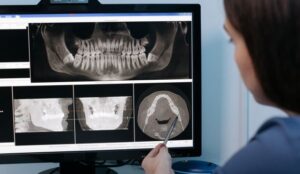
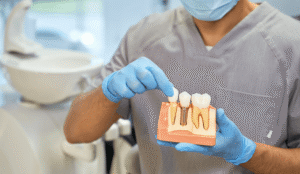
Dental implant procedures involve a series of steps that ensure the successful placement and integration of the implant into the jawbone. Typically, the process begins with a thorough evaluation by a dental professional, including imaging studies to assess bone density and structure. Once deemed suitable, the implant is surgically placed, allowing time for osseointegration, where the bone heals around the implant.
After the initial healing period, which can take several months, a crown is placed on the implant, restoring functionality and aesthetics. It's essential to follow post-operative care instructions to minimize complications and ensure long-term success. Patients can expect regular follow-ups to monitor the implant and surrounding tissues, ensuring everything remains healthy and functional.
Factors Affecting Dental Implant Success
The success of dental implants is influenced by several factors, including the patient's overall health, oral hygiene practices, and lifestyle choices. Conditions such as diabetes or smoking can negatively impact healing and integration, leading to a higher risk of implant failure. Therefore, a comprehensive assessment by a dental professional is crucial before proceeding with the treatment.
Moreover, the experience and skill of the dental surgeon play a significant role in the outcome. Advanced techniques and technologies, such as 3D imaging and guided surgery, can enhance precision and improve success rates. Patients are encouraged to discuss their specific circumstances and any concerns with their dentist to create a tailored treatment plan.
Post-Operative Care for Dental Implants
Post-operative care is vital for the success of dental implants, as it helps to promote healing and prevent complications. Patients are typically advised to follow a soft food diet for the first few days and to avoid strenuous activities that could disrupt the healing process. Pain management strategies, including prescribed medications or over-the-counter pain relievers, are also recommended.
Additionally, maintaining excellent oral hygiene is crucial. Patients should gently clean the implant site with a soft toothbrush and follow their dentist's recommendations for mouth rinses or other cleaning aids. Regular dental check-ups will ensure that the implant is healing correctly and that any potential issues are addressed promptly.
Cost Considerations for Dental Implants in 2025
The cost of dental implants can vary widely based on several factors, including the complexity of the case, the materials used, and the geographic location of the dental practice. In 2025, patients can expect to see a range of prices, with average costs typically falling between $3,000 and $6,000 per implant, excluding additional procedures such as bone grafting or sinus lifts.
Many dental practices offer financing options to help make the procedure more accessible. Additionally, patients should check with their insurance providers to understand what, if any, coverage is available for dental implants. It's important for patients to discuss all financial aspects with their dental provider to plan accordingly and avoid unexpected expenses.