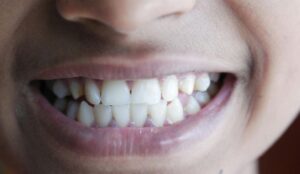
Understanding Crossbite: Causes and Types
A crossbite is a common type of malocclusion where one or more upper teeth bite on the inside of the lower teeth. This can affect the front teeth (anterior crossbite) or the back teeth (posterior crossbite), or both. Understanding the underlying causes, which can range from genetics and jaw development issues to habits like thumb sucking, is crucial for effective treatment planning.
There are several classifications of crossbites, including skeletal and dental. Skeletal crossbites involve misalignment of the jawbones, while dental crossbites are due to the positioning of the teeth themselves. Identifying the specific type of crossbite is the first step in determining the most appropriate and effective treatment strategy for achieving a balanced and functional bite.
Benefits of Addressing Crossbite
Correcting a crossbite offers significant advantages beyond aesthetics, contributing to overall oral health and well-being. Addressing this misalignment can prevent uneven tooth wear, reduce the risk of gum recession and bone loss, and alleviate jaw pain or discomfort associated with improper bite function. A corrected bite also makes chewing and speaking more efficient.
Furthermore, treating a crossbite early, especially in children, can guide proper jaw growth and development, potentially avoiding more complex interventions later in life. For adults, correcting a crossbite can improve facial symmetry, boost self-confidence, and enhance the longevity of dental restorations by ensuring even distribution of biting forces.
Crossbite Treatment Options at Dental Krafts
At Dental Krafts, we offer a comprehensive range of crossbite treatment solutions tailored to each patient's unique needs. Our approach prioritizes effective correction while considering patient comfort and aesthetic preferences. We utilize advanced diagnostic tools to accurately assess the severity and type of crossbite, enabling us to recommend the most suitable treatment plan.
Our treatment options may include traditional braces, clear aligners, or specialized orthodontic appliances designed to gently reposition teeth and guide jaw development. For cases requiring non-braces solutions, we explore innovative methods that can achieve excellent results with minimal disruption to daily life, ensuring a healthier and more harmonious bite.
When to Seek Professional Help for Crossbite
It is essential to seek professional dental advice if you suspect you or your child has a crossbite. Early detection and intervention are key to achieving the best possible outcomes, especially during critical growth periods in childhood. Signs of a crossbite can include difficulty chewing, uneven tooth wear, jaw pain, or a noticeable misalignment of the upper and lower teeth when the mouth is closed.
Consulting with an orthodontist at Dental Krafts allows for a thorough evaluation and personalized treatment plan. We can identify the specific type of crossbite and its underlying causes, whether it's a dental or skeletal issue. Prompt professional assessment ensures that appropriate measures are taken to correct the misalignment, prevent future complications, and promote optimal oral health.