Understanding Clear Aligners: What You Need to Know
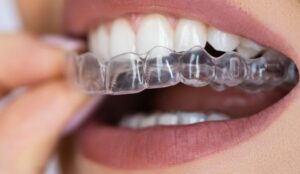
Clear aligners are a modern orthodontic solution designed to straighten teeth without the visibility of traditional braces. They are custom-made to fit snugly over your teeth, gradually shifting them into the desired position through a series of aligners that are changed every few weeks.
These aligners are typically made from a smooth, comfortable plastic that is virtually invisible, making them an appealing option for adults and teens alike. Unlike metal braces, clear aligners can be removed for eating, brushing, and flossing, promoting better oral hygiene during treatment.
Benefits of Using Clear Aligners
Choosing clear aligners offers numerous benefits over traditional orthodontic treatments. One of the most significant advantages is their aesthetic appeal; many patients prefer the discreet nature of clear aligners, which allows them to undergo treatment without drawing attention to their teeth.
Additionally, clear aligners often result in less discomfort compared to metal braces, as they do not have wires or brackets that can irritate the gums. Patients also appreciate the convenience of being able to remove their aligners, which allows for more flexibility in daily life and dietary choices.
Comparing Different Types of Clear Aligners
When it comes to clear aligners, there are several brands and types available, each with unique features and benefits. Popular options include Invisalign, ClearCorrect, and SmileDirectClub, among others. Each brand has its own approach to treatment, which can affect the overall experience and results.
For instance, Invisalign is known for its extensive network of providers and advanced technology, while SmileDirectClub offers a more affordable, remote treatment option. Understanding the differences between these options can help patients choose the aligner that best suits their needs and lifestyle.
Frequently Asked Questions About Clear Aligners
Many potential patients have questions about clear aligners, which is why a dedicated FAQ section can be incredibly helpful. Common inquiries include the duration of treatment, cost comparisons with traditional braces, and the effectiveness of aligners for complex dental issues.
Addressing these questions can provide reassurance to prospective patients and help them feel more informed about their orthodontic choices. For example, while clear aligners are effective for most cases, some complex issues may still require traditional braces, which is why consulting with an orthodontist is essential for personalized advice.