Understanding Different Types of Toothbrushes
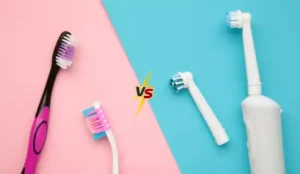
To select the best toothbrush for your dental hygiene routine, it's essential to understand the different types available. Toothbrushes can be categorized into manual and electric varieties, each offering unique benefits. Manual toothbrushes are often more affordable and easier to control, while electric toothbrushes can provide a more thorough cleaning due to their oscillating or sonic movements.
Additionally, toothbrushes come in various bristle types: soft, medium, and hard. Dentists typically recommend soft bristles to avoid damaging the gums and enamel. The shape of the toothbrush head also matters; smaller heads can reach difficult areas in the mouth more effectively, ensuring a comprehensive clean.
Benefits of Using an Electric Toothbrush
Electric toothbrushes have gained popularity for their ability to enhance oral hygiene. They often feature timers to ensure users brush for the recommended two minutes, and many models include pressure sensors to prevent excessive force that can harm gums. This technology can lead to improved plaque removal and healthier gums over time.
Studies have shown that electric toothbrushes can significantly reduce plaque and gingivitis compared to manual brushing. For instance, a systematic review indicated that electric toothbrush users experienced a 21% reduction in plaque and a 11% reduction in gingivitis after three months of use, making them a worthwhile investment for those serious about their dental health.
How to Choose the Right Toothbrush for Your Needs
Selecting the right toothbrush involves considering personal preferences and specific dental needs. Factors such as age, dental health conditions, and personal comfort should guide your choice. For instance, children may benefit from smaller, colorful toothbrushes that encourage them to brush, while adults may prefer ergonomic designs that fit comfortably in the hand.
Moreover, individuals with sensitive teeth or gums should opt for soft-bristled brushes or specialized toothbrushes designed for sensitivity. Consulting with a dentist can also provide tailored recommendations based on individual oral health requirements, ensuring you choose a toothbrush that promotes optimal dental care.
Maintaining Your Toothbrush for Optimal Hygiene
Proper maintenance of your toothbrush is crucial for ensuring effective cleaning. After each use, rinse your toothbrush thoroughly to remove toothpaste and debris. It's also important to store it in an upright position and allow it to air dry, as a moist environment can promote bacterial growth.
Additionally, you should replace your toothbrush every three to four months or sooner if you notice frayed bristles. Regular replacement is essential, as worn bristles are less effective at cleaning teeth. Keeping your toothbrush in good condition helps maintain optimal oral hygiene and contributes to overall dental health.