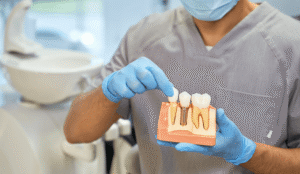
Understanding Oral Hygiene Basics
Maintaining proper oral hygiene is essential for preventing dental issues and ensuring overall health. Basic practices include regular brushing, flossing, and routine dental check-ups. These habits help remove plaque, prevent cavities, and reduce the risk of gum disease.
Incorporating a fluoride toothpaste and using mouthwash can further enhance oral health. It's also important to replace your toothbrush every three to four months and to visit your dentist for professional cleanings at least twice a year. By establishing a consistent oral hygiene routine, you can significantly improve your dental health.
Preventive Dental Care Tips
Preventive dental care is vital for avoiding serious dental problems down the line. Simple actions such as limiting sugary snacks, drinking plenty of water, and avoiding tobacco products can greatly contribute to maintaining healthy teeth and gums.
Additionally, regular dental examinations allow for early detection of potential issues, enabling timely intervention. Using dental sealants and fluoride treatments can also provide extra protection against cavities, particularly for children and those at higher risk for dental decay.
Signs You Need to Visit the Dentist
Recognizing the signs that indicate a need for dental care is crucial for maintaining oral health. Symptoms such as persistent toothache, swollen gums, or sensitivity to hot and cold can signify an underlying issue that requires professional attention.
Other warning signs include bad breath that doesn’t go away with brushing and changes in the alignment of your teeth. If you experience any of these symptoms, it's advisable to schedule an appointment with your dentist to address the problem before it worsens.
Common Dental Procedures Explained
Understanding common dental procedures can help alleviate anxiety and prepare patients for what to expect during their visits. Procedures such as fillings, root canals, and crowns are frequently performed to treat various dental issues.
For instance, a filling is used to restore a tooth damaged by decay, while a root canal addresses infection in the tooth's pulp. Knowing the purpose and process of these treatments can empower patients to make informed decisions about their dental care.