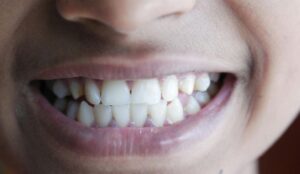
Understanding Orthodontic Treatments
Orthodontic treatments are designed to correct misaligned teeth and jaws, improving both function and aesthetics. These treatments can vary widely, from traditional metal braces to more modern solutions like clear aligners, each tailored to meet specific dental needs.
For example, metal braces are often recommended for complex cases requiring significant adjustments, while clear aligners, such as Invisalign, offer a more discreet option for mild to moderate misalignments. Understanding the variety of treatments available can help patients make informed decisions about their orthodontic care.
The Importance of Early Orthodontic Evaluation
Early evaluation by an orthodontist can significantly affect the outcome of dental treatments. The American Association of Orthodontists recommends that children have their first orthodontic assessment by age seven, as early detection of potential issues can lead to more effective treatment options.
During this initial evaluation, the orthodontist can identify problems such as overcrowding, bite issues, or jaw discrepancies. Addressing these concerns early on can lead to less invasive treatments and can often reduce the overall duration of orthodontic care.
Maintaining Oral Hygiene with Braces
Proper oral hygiene is crucial for individuals with braces to prevent dental issues such as cavities and gum disease. Braces can trap food particles and plaque, making regular and thorough cleaning essential to maintaining oral health during treatment.
Patients are encouraged to use special cleaning tools, such as interdental brushes and floss threaders, to effectively clean around brackets and wires. Additionally, regular dental check-ups can help monitor oral health and ensure that the braces are functioning correctly throughout the treatment process.
Post-Treatment Care for Orthodontic Patients
After the removal of braces, following a proper post-treatment care plan is vital for maintaining the results achieved. This often includes the use of retainers, which help keep teeth in their new positions while the surrounding bone and tissue adjust.
Patients should be informed about the importance of wearing retainers as prescribed, as failing to do so can lead to teeth shifting back to their original positions. Regular follow-up appointments with the orthodontist can help ensure that the retention plan is effective and that the smile remains straight and healthy.