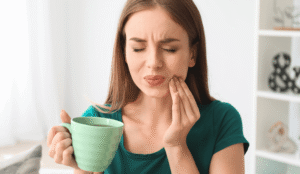
Understanding Enamel and Its Importance
Enamel is the hard, outer layer of your teeth that serves as the first line of defense against decay and damage. It is crucial for overall dental health, as it protects the more sensitive layers of the teeth underneath. Maintaining strong enamel is essential for preventing cavities and sensitivity.
Enamel is composed primarily of minerals, predominantly hydroxyapatite, which gives it its strength. Factors such as diet, oral hygiene, and lifestyle choices can impact enamel health. For instance, acidic foods and beverages can erode enamel, making it vital to understand how to protect and strengthen this important layer.
Common Causes of Enamel Erosion
Enamel erosion can result from various factors, including dietary habits, acidic substances, and improper brushing techniques. Understanding these causes is essential for prevention and treatment strategies.
For example, frequent consumption of soda, citrus fruits, and wine can lead to enamel wear due to their acidic nature. Additionally, brushing too hard or using abrasive toothpaste can further damage enamel. Recognizing these risks can help individuals make informed choices to safeguard their dental health.
Effective Treatments for Enamel Loss
If enamel has been lost or damaged, several treatment options can help restore dental health. These treatments range from fluoride applications to more advanced restorative procedures.
Fluoride treatments can strengthen remaining enamel and help remineralize affected areas. In more severe cases, dental bonding or crowns may be recommended to protect the tooth structure. Consulting with a dental professional is key to determining the most appropriate treatment based on individual needs.
Best Practices for Enamel Care
Maintaining enamel health requires a combination of good oral hygiene practices and lifestyle choices. Simple steps can significantly reduce the risk of enamel erosion and promote overall dental wellness.
Brushing twice a day with a fluoride toothpaste, flossing daily, and visiting the dentist regularly for check-ups are fundamental practices. Additionally, moderating the intake of acidic foods and drinks, drinking plenty of water, and using a straw for beverages can help minimize enamel exposure to harmful substances.