
What Is TMJ Disorder? Causes, Symptoms & Treatments
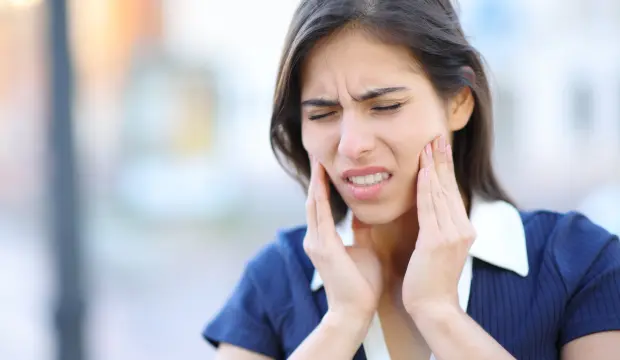
Jaw pain, stiffness or painful clicking can have several causes. An examination can help determine whether a temporomandibular disorder (TMD) is involved.
This blog will help you understand TMJ disorder in a simple, relatable way so you can identify the symptoms early and find the right care.
For care at our Sacramento office, see our information on general dentistry consultations.
What Is TMJ Disorder?
The temporomandibular joints connect the jaw to the skull. TMD describes disorders affecting these joints or the muscles used for chewing.
TMJ disorder isn’t one single condition. It’s a group of problems related to:
the jaw joint
the muscles around the jaw
headaches associated with a TMD
Some people feel pain on one side, others on both. Some feel only clicking, others feel headaches or ear pressure. And sometimes, you can experience symptoms without knowing the problem is linked to your jaw at all.
Common Causes of TMJ Disorder
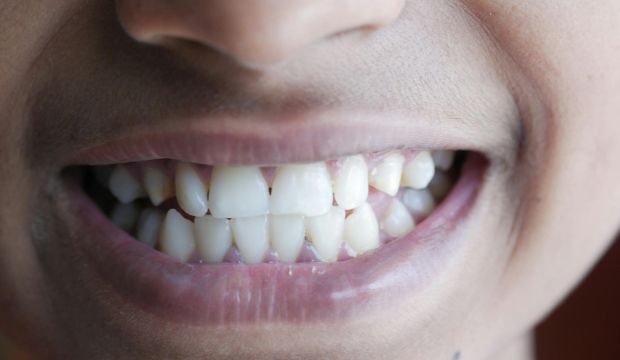
TMD has several possible contributors, and the cause is often unclear. Injury, muscle tension and other pain-related factors may be involved. A bite that looks uneven does not establish the cause of jaw pain: research does not support a strong link between malocclusion and TMD.
Common Symptoms You Should Not Ignore
TMJ symptoms can blend into everyday life so people often brush them off. But noticing patterns is key.
1. Jaw Pain and Tenderness
This pain may feel dull, tight or sharp depending on the cause. It may worsen when talking, chewing or yawning.
2. Clicking or Popping Sounds
Painless clicking is common and usually needs no treatment. Painful clicking or locking warrants assessment.
3. Frequent Headaches
TMJ-related tension headaches often start near the temples and extend toward the ears or neck.
4. Ear Pressure or Fullness
Many patients describe it as “ear pain without an ear infection.” That’s because the TMJ sits extremely close to the ear canal.
5. Difficulty Opening or Closing the Mouth
A jaw that locks or has restricted movement needs assessment; the symptom alone does not identify the cause.
Facial pain, neck discomfort and tooth wear can have different causes. A dentist or doctor can help distinguish them.

Effective Treatment Options for TMJ Disorder
Start with an assessment and conservative care. Depending on the diagnosis, advice may include short-term soft foods, heat or cold, habit changes and physical therapy. Medicines and appliances need individual guidance. A nightguard may protect teeth, but relief of TMD pain is not assured. Avoid presenting tooth grinding, crowns or orthodontics as routine TMD cures: irreversible bite changes can worsen symptoms. See NIDCR’s TMD guidance.
Can TMJ Be Prevented?
There is no guaranteed way to prevent TMD. Discuss persistent pain, locking or restricted opening with a dentist or doctor. Painless clicking alone commonly needs no treatment. Ask about conservative options before irreversible procedures.

Your next step
Jaw pain can have several causes. Contact Dental Krafts for an evaluation and discuss whether additional specialist care is appropriate.