
Cavities Explained: How They Form and How to Prevent Them

Tooth decay can be painless in its early stages. Sensitivity, pain or a visible change may develop later, but symptoms alone do not establish the diagnosis. Dental examinations can detect problems before they hurt. See NIDCR’s tooth-decay guide.
For local treatment and appointment information, see tooth-colored fillings at Dental Krafts.
What Exactly Is a Cavity?
A cavity is essentially a hole in the tooth caused by bacterial damage. When food particles, especially those rich in sugar and starch, linger on the teeth, they become a feast for bacteria. These bacteria release acids that slowly erode the tooth’s protective outer layer, known as enamel. Over time, if left untreated, the damage progresses deeper, affecting the dentin and eventually reaching the pulp, which houses the nerves and blood vessels of the tooth.
Early mineral loss can sometimes be arrested or reversed before a cavity forms. Once a hole develops, a dentist needs to assess treatment.
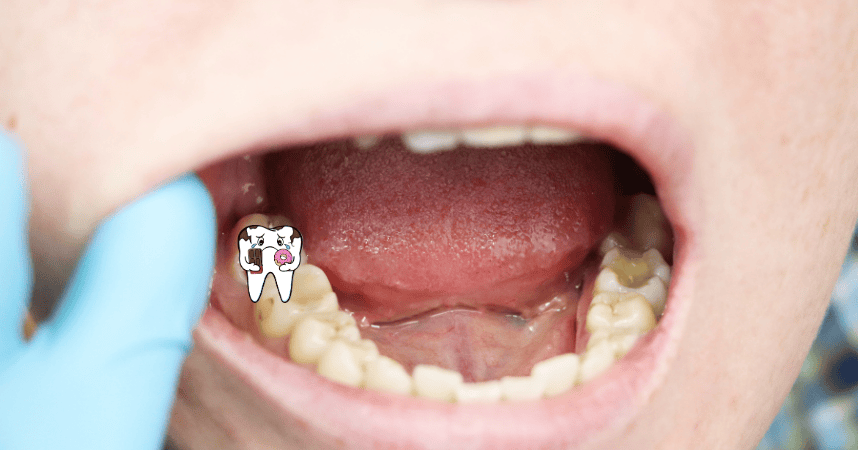
How Cavities Form: Step by Step
The formation of a cavity is not a sudden event—it takes place over time in stages:
1. Plaque Formation
When you eat, especially foods high in sugar or carbohydrates, the bacteria in your mouth feed on these remnants. As they feed, they form a sticky, colorless film called plaque on the teeth.
2. Acid Attack on Enamel
Plaque bacteria release acids that attack enamel, creating small weak spots. This marks the first stage of tooth decay.
3. Dentin Damage
Once enamel is weakened, decay quickly spreads into the softer dentin beneath. This is when sensitivity to hot, cold, or sweet foods often begins.
4. Pulp Infection
If decay is not stopped, it can reach the pulp, leading to pain, infection, and sometimes abscess formation. At this point, more invasive treatments like root canal therapy may be required.
Why Cavities Are So Common
Cavities are often considered preventable, yet they remain incredibly common. Some reasons include:
Dietary habits: High consumption of soda, candy, processed foods, and refined carbohydrates fuels bacteria.
Poor oral hygiene: Skipping brushing or not flossing allows plaque to thrive.
Genetic factors: Naturally weak enamel or pronounced tooth grooves can make cavities more likely.
Dry Mouth: Dry mouth can raise the risk of cavities since saliva helps neutralize acids in the mouth.
Childhood habits: Kids are more prone to cavities due to frequent snacking, improper brushing, and love for sugary treats.
Cavities in Children
Tooth decay is common in children. Prevention includes appropriate fluoride use, help with brushing and dental visits based on individual needs.
→ They tend to consume more sweets and sugary beverages.
→ Their brushing techniques are often inadequate.
→ Baby teeth have thinner enamel compared to adult teeth, making them more prone to decay.
Parents should take special care by supervising brushing, limiting sugary snacks, and ensuring regular dental checkups. Introducing kids to good oral hygiene practices early helps to build strong habits that last a lifetime.
Symptoms of Cavities

Cavities may not always be noticeable in the early stages, but common signs include:
- Tooth sensitivity to sweets, hot, or cold
- Pain when chewing
- Visible pits or holes in the teeth
- Dark spots or stains on the tooth surface
- Persistent toothache in severe cases
Regular dental visits are crucial because dentists can often spot cavities in their earliest stages—before pain or visible damage occurs.
Preventing Cavities: Practical and Proven Tips
The best part is that cavities can mostly be avoided, and a few steady habits are enough to protect your teeth.
1. Maintain Excellent Oral Hygiene
Brushing twice a day with a fluoride toothpaste and flossing daily are the cornerstones of cavity prevention. Fluoride works by reinforcing enamel and can even repair the earliest signs of tooth decay.
2. Watch Your Diet
Cut back on sugary drinks, candies, and sticky foods that linger on teeth. Instead, focus on a balanced diet rich in vegetables, fruits, dairy, and whole grains. Staying hydrated by drinking water helps flush out bacteria and leftover food particles from the mouth.
3. Visit Your Dentist Regularly
Routine dental checkups allow early detection of cavities before they progress. Professional dental care removes hardened plaque and tartar deposits that a toothbrush alone cannot reach.
4. Consider Dental Sealants and Fluoride Treatments
For children and adults at high risk, dentists may recommend dental sealants, which are protective coatings applied to the chewing surfaces of molars. Fluoride treatments strengthen the enamel, making it more resilient against acid damage.
5. Encourage Healthy Habits in Kids
Limit frequent snacking, teach proper brushing techniques, and avoid putting babies to bed with bottles filled with milk or juice—this can lead to “baby bottle tooth decay.”
The Bigger Picture: Cavities and Overall Health
Cavities may seem like a minor issue, but untreated tooth decay can have serious consequences. Beyond tooth pain and infection, poor oral health has been linked to problems such as gum disease, difficulty eating, and even systemic health conditions if infections spread.
This is why preventive dental care goes beyond maintaining a beautiful smile—it plays a key role in safeguarding overall health.
Final Thoughts
Tooth decay is among the most widespread dental issues, but it’s also highly preventable with proper care. Understanding how they form, recognizing early symptoms, and adopting preventive measures can save you and your family from unnecessary pain and costly treatments.
Whether it’s teaching children the importance of brushing, cutting down on sugary snacks, or scheduling regular dental visits, every small step makes a big difference. When it comes to oral health, taking preventive care is always wiser than dealing with treatments later.